
Eye Allergy Treatment
in Chennai
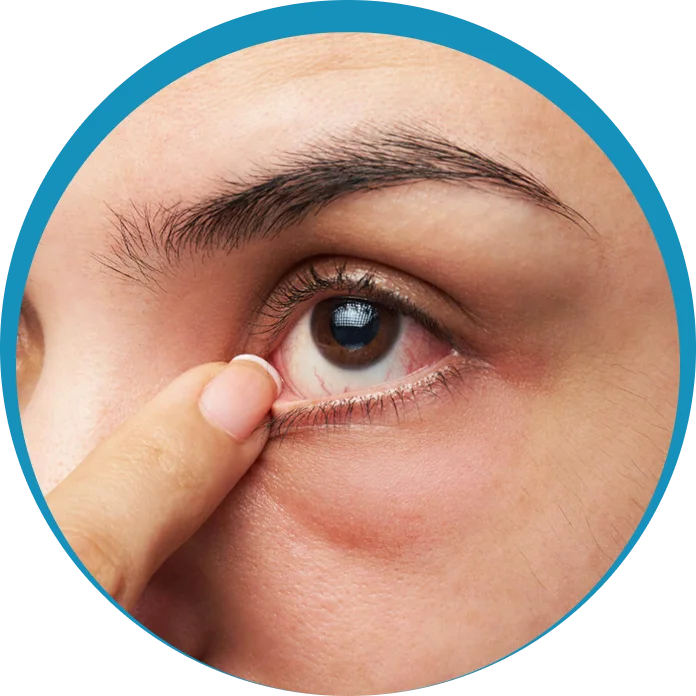

Red, itchy, watery eyes are often dismissed as a minor irritation. But for many people, eye allergies can become persistent, uncomfortable, and disruptive to daily life. In severe cases, they can even affect the health of the ocular surface and the clarity of vision.
At CODE Eye Care, we see patients whose symptoms have continued for months or years despite using over-the-counter eye drops. Eye allergies are not always simple. Some involve deeper inflammation of the conjunctiva and cornea and require careful evaluation by an eye allergy specialist.
Our approach focuses first on identifying the exact type of allergy, the triggers involved, and the condition of the eye surface before deciding the right eye allergy treatment.
What Is an Eye Allergy?
An eye allergy occurs when the immune system overreacts to substances that are otherwise harmless. These substances are called allergens. Common examples include dust, pollen, pet dander, pollution, and certain cosmetics.
When the eyes are exposed to these triggers, the immune system releases inflammatory chemicals such as histamine. This leads to symptoms like itching, redness, watering, and swelling.
While many cases are mild, some forms of allergic eye disease can become chronic and require expert care.
What Symptoms Suggest You May Need Eye Allergy Treatment?
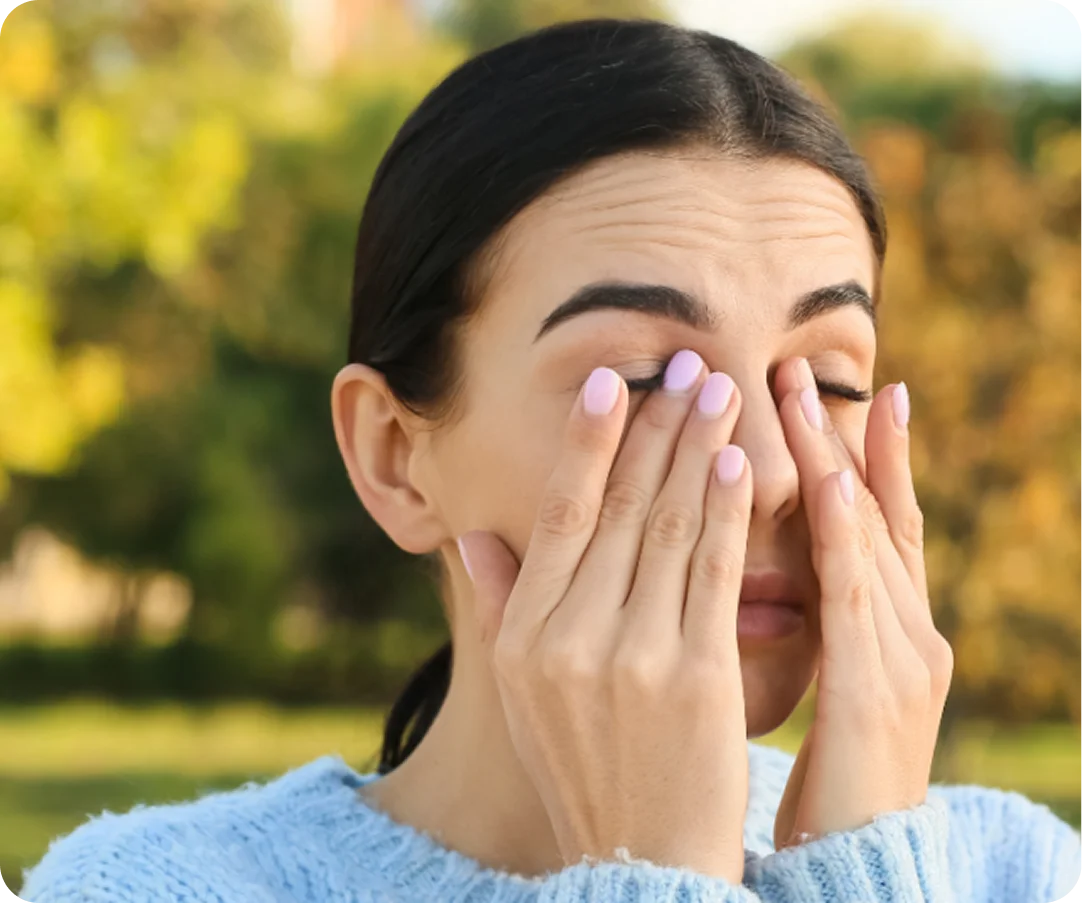
Eye allergies can present differently in each person. Many patients initially think they have an eye infection or dryness.
Persistent itching in the eyes
Redness or bloodshot appearance
Excessive watering or tearing
Swelling of the eyelids
Burning or irritation
Sensitivity to light
Mucus discharge from the eyes
Blurred vision in severe cases
If these symptoms keep returning or do not improve with basic medication, it is important to consult an eye allergy specialist. Chronic inflammation can sometimes damage the ocular surface if left untreated.
Why Eye Allergy and Dry Eye Are Often Linked
At CODE Eye Care, eye allergy management is closely integrated with dry eye and ocular surface care.
In many patients, allergic inflammation disrupts the tear film, which can worsen dryness, irritation, and light sensitivity. Similarly, chronic dry eye can make the ocular surface more vulnerable to allergic reactions.
For this reason, our treatment decisions are guided not only by allergy symptoms but also by the overall health of the tear film, eyelids, and corneal surface.
Managing both conditions together often leads to better long-term control.
What Causes Eye Allergies?
Eye allergies are often linked to environmental triggers, but in some patients, they are related to systemic allergic tendencies.
- Pollen from plants and trees
- House dust mites
- Animal hair or dander
- Air pollution and smoke
- Certain eye cosmetics or skincare products
- Contact lens deposits
- Seasonal changes
At CODE Eye Care, we approach eye allergies by understanding the patient’s environment, medical history, and pattern of symptoms. Identifying the trigger is often as important as treating the inflammation.
Are All Eye Allergies the Same?
No. This is one of the most common misconceptions.
Different types of allergic eye disease require very different management strategies.
Seasonal Allergic Conjunctivitis
This is the most common type and is often triggered by pollen during certain times of the year.
Perennial Allergic Conjunctivitis
Symptoms occur year-round, usually due to dust mites or indoor allergens.
Vernal Keratoconjunctivitis (VKC)
A more severe condition, often seen in children and young adults. It can affect the cornea and may lead to vision problems if not managed properly.
Atopic Keratoconjunctivitis
A chronic form of allergic eye disease associated with eczema and systemic allergies.
In our experience with advanced ocular surface disease, distinguishing between these conditions is essential before selecting the appropriate eye allergy treatment.
Dr. Geetha Iyer and the team at CODE Eye Care have contributed to research and publications on complex allergic eye disease, including challenging VKC cases. Relevant research publications can be accessed here:
When Should You See an Eye Allergy Specialist?
Many people self-treat eye allergies with random eye drops for long periods. This can sometimes worsen the condition.
- Symptoms last longer than two weeks
- Over-the-counter drops do not help
- The eyes become very sensitive to light
- Vision becomes blurred
- Thick mucus discharge appears
- The child frequently rubs the eyes
Early evaluation helps prevent complications and reduces long-term inflammation.
How Do We Diagnose Eye Allergies at CODE Eye Care?
Diagnosis involves more than simply looking at redness in the eyes.
At CODE Eye Care, we approach allergic eye disease with a structured evaluation that includes:
- Detailed symptom history
- Slit-lamp examination of the conjunctiva and cornea
- Assessment of the tear film and ocular surface
- Evaluation of eyelids and eyelash margins
- Identifying signs of chronic allergic inflammation
In patients with severe allergies such as VKC, we also carefully examine the cornea to rule out early complications.
Our treatment decisions are guided by the exact type of allergy and the severity of inflammation rather than simply prescribing routine drops.
Integrated Care for Patients with Severe Allergies
Allergic eye disease can sometimes be part of a broader allergic tendency known as atopy.
- Asthma
- Allergic rhinitis
- Skin allergies or eczema
At CODE Eye Care, when required, we co-manage patients with allergy specialists and chest physicians, particularly in individuals with asthma or systemic allergic conditions.
This integrated care approach helps ensure that both the ocular symptoms and the underlying allergic tendency are managed effectively.
What Are the Treatment Options for Eye Allergies at CODE Eye Care in Chennai?
The goal of eye allergy treatment is to control inflammation, relieve symptoms, and protect the eye’s surface.
Allergen avoidance
Identifying and reducing exposure to triggers is the first step.
Lubricating eye drops
These help wash away allergens and soothe irritation.
Anti-allergy medications
Specialised eye drops reduce histamine release and inflammation.
Anti-inflammatory therapy
In moderate-to-severe cases, targeted medications may be needed to control deeper inflammation.
Advanced ocular surface management
For chronic corneal allergic disease, specialised treatment protocols may be required.
At CODE Eye Care, we do not recommend strong medications or long-term steroid therapy unless clearly necessary. Each treatment plan is individualised based on the patient’s condition.
Can Eye Allergies Damage Vision?
Most mild allergies do not permanently affect vision.
However, severe or long-standing allergic eye disease can lead to complications such as:
- Corneal inflammation
- Persistent eye rubbing leading to corneal shape changes
- Increased risk of keratoconus in susceptible patients
- Surface damage to the cornea
In our experience with advanced corneal disease, chronic allergic inflammation combined with frequent eye rubbing can significantly affect corneal stability. This is why timely eye allergy treatment is important.
How Can You Prevent Eye Allergy Flare-Ups?
While allergies cannot always be completely avoided, certain measures help reduce flare-ups:
- Avoid rubbing the eyes
- Wash hands and face after outdoor exposure
- Use protective eyewear in dusty environments
- Keep living spaces clean and dust-free
- Limit exposure to known allergens
- Use prescribed medication consistently during allergy seasons
Small lifestyle adjustments often make a significant difference in controlling symptoms.
Is Surgery Ever Needed for Eye Allergies?
Surgery is rarely required for allergic eye disease.
However, in severe cases such as refractory VKC with complications like shield ulcers, specialised surgical interventions may occasionally be considered. Severe allergic papillae in the eyelid may require specialized surgical management in refractory cases.
These situations are uncommon and are approached cautiously, only when medical therapy has not been sufficient.
Our experience with complex ocular surface disease helps guide these decisions carefully.
Protecting the Eye Surface in Allergic Eye Disease
Chronic allergic inflammation can affect the stability of the ocular surface.
Repeated eye rubbing, persistent inflammation, and untreated VKC can sometimes lead to complications involving the cornea.
In our experience with advanced corneal disease, early diagnosis and appropriate eye allergy treatment play a crucial role in preventing long-term damage.
When Is Specialist Care Important for Eye Allergies?
Most routine clinics treat eye allergies as a simple irritation. But complex allergic eye disease requires deeper evaluation, especially when the cornea is involved.
At CODE Eye Care, we regularly see patients referred for persistent or severe allergies that have not responded to routine treatment. Careful diagnosis allows us to manage inflammation early and prevent long-term damage to the ocular surface.
If you are experiencing persistent itching, redness, or watering of the eyes, seeking evaluation from an experienced eye allergy specialist can help determine the right course of eye allergy treatment and protect your eye health.
For consultation or further guidance, you can reach out through the Contact Us page to schedule an evaluation.