Dry Eye Treatment in Chennai
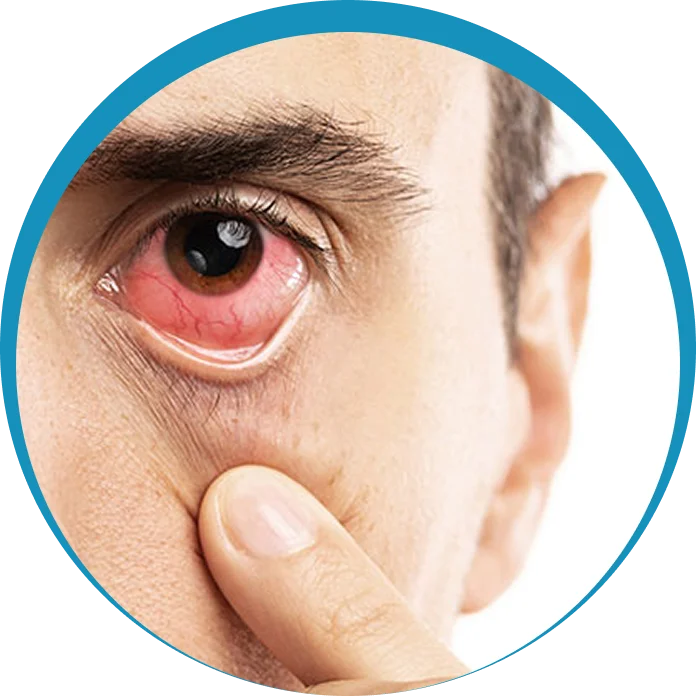

Dry eyes are often dismissed as a minor irritation. In reality, chronic dry eye disease can significantly affect vision quality, daily comfort, and long-term eye health. Many patients struggle with burning, blurred vision, fluctuating eyesight, or the constant feeling of something in the eye.
At CODE Eye Care, we approach dry eye treatment by identifying the underlying cause rather than simply suppressing symptoms. Dry eye disease is complex. It may involve tear deficiency, poor tear quality, eyelid gland dysfunction, ocular surface inflammation, or systemic conditions.
Our approach to dry eye care is aligned with global recommendations from the Tear Film & Ocular Surface Society (TFOS).
Dry eye is not a one-size-fits-all condition. Treatment is personalised and based on the underlying cause. Eye drops that work for one patient may not work for another.
As a tertiary eye care centre, our focus is careful diagnosis, individualised treatment, and long-term ocular surface restoration.
What Is Dry Eye Disease and
Why Does It Happen?
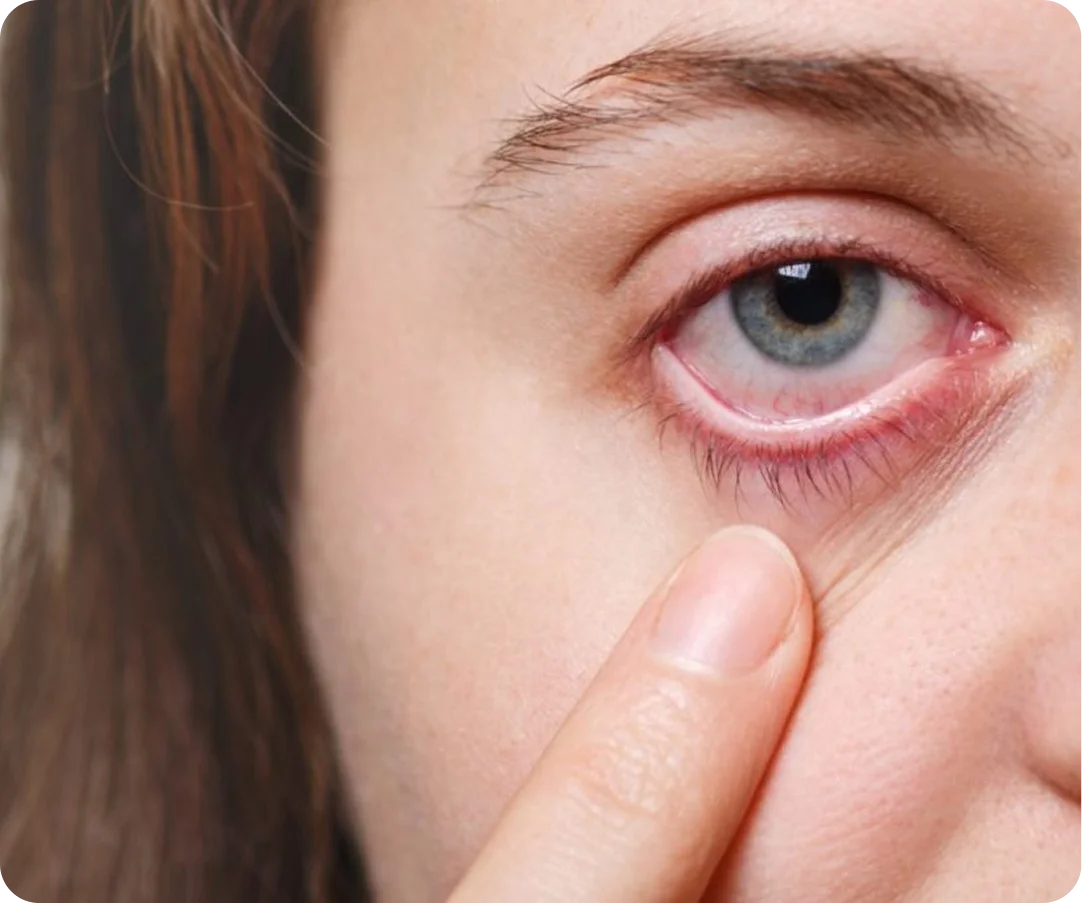
Dry eye disease occurs when the eye cannot maintain a healthy tear film. The tear film is essential for clear vision, lubrication, and protection of the cornea.
- Reduced tear production with ageing
- Meibomian gland dysfunction affects the tear oil layer
- Excessive screen use and reduced blinking
- Contact lens wear
- Autoimmune conditions such as Sjögren’s disease/ Rheumatoid Arthritis
- Previous eye surgery or long-term medication use
- Environmental factors like air-conditioning, pollution, and dry climate
In many patients, more than one factor contributes to the problem. This is why treatment must be tailored rather than standardised.
What Symptoms Suggest You May Need Dry Eye Treatment?
Dry eye symptoms often fluctuate during the day and may worsen with screen use or air-conditioned environments.
Burning or stinging sensation
Redness and eye irritation
Gritty or sandy feeling in the eyes
Blurred or fluctuating vision
Excessive tearing (paradoxical watering)
Sensitivity to light
Difficulty wearing contact lenses
Eye fatigue during reading or computer use
In our experience with advanced ocular surface disease, patients often assume these symptoms are simply due to tired eyes. However, untreated dry eye can gradually damage the corneal surface and significantly impact visual comfort.
Who Should Consider a Dry Eye Evaluation?
Dry eye does not always begin with obvious symptoms. In many cases, early changes occur on the ocular surface before discomfort is noticed.
- Spend long hours on screens (IT professionals, students, digital users)
- Have autoimmune conditions such as Sjögren’s disease or rheumatoid arthritis, even without symptoms
- Have undergone LASIK or cataract surgery
- Are using eye drops regularly, but still have fluctuating relief
Dry eye often begins before symptoms are noticeable. Early evaluation helps prevent progression and long-term surface damage.
Just like a master health check, a Smart Eye Check helps identify early signs of dry eye before symptoms become significant.
When Should You See a Dry Eye Doctor?
Occasional dryness is common. However, persistent symptoms lasting weeks or months should not be ignored.
- Eye drops provide only temporary relief
- Vision fluctuates during the day
- Symptoms worsen with digital screen use
- There is chronic redness or irritation
- You have an autoimmune disease or long-term medication use
- Dryness persists after LASIK or cataract surgery
Early evaluation allows us to prevent long-term ocular surface damage.
How Do We, as Dry Eye Specialists in Chennai, Diagnose the Exact Cause?
Dry eye disease cannot be diagnosed reliably with a single test. At CODE Eye Care, evaluation focuses on understanding the entire ocular surface system.
- Tear film stability testing
- Meibomian gland evaluation
- Ocular surface staining to detect microscopic damage
- Tear production testing
- Eyelid margin assessment
- Evaluation of blink pattern and tear evaporation
- Screening for inflammatory ocular surface disease
Our treatment decisions are guided by the specific mechanism underlying dryness rather than by symptom severity alone.
Why Dry Eye Treatments Often Don’t Work
Many patients use multiple eye drops for months or even years without lasting relief.
This usually happens because the underlying cause of dry eye is not identified.
Dry eye is not a single condition. It is a combination of factors such as tear deficiency, gland dysfunction, inflammation, and surface damage.
Without a structured evaluation, treatment becomes trial and error.
At CODE Eye Care, we focus on identifying the exact cause first, so that treatment is targeted and effective.
What Treatments Are Available for Dry Eye Disease?
Treatment depends on the underlying cause. Most patients require a combination of therapies to restore the tear film and reduce inflammation.
Lubricating Tear Supplements
Artificial tears help stabilise the tear film and reduce irritation. The choice of formulation matters. Some contain lipid components for evaporative dry eye, while others focus on tear hydration.
Eyelid and Meibomian Gland Treatment
In many patients, blocked oil glands contribute to rapid tear evaporation. Warm compress therapy, gland expression, and eyelid hygiene are important aspects of care. Thermal therapy / Intense Pulsed Light (IPL) are advanced treatment options for dry eye.
Anti-Inflammatory Therapy
Chronic inflammation is a major driver of dry eye disease. Prescription medications may be used to restore the ocular surface environment and improve tear production.
Autologous Serum Tears
When indicated , autologous serum tears are prepared from the patient's own blood and used for certain specific dry eye conditions.
Tear Conservation Techniques
Procedures such as punctal occlusion may be considered in patients with severe tear deficiency to preserve natural tears on the ocular surface. These treatments help reduce tear drainage and improve lubrication, especially in patients with significant tear deficiency.
Advanced Ocular Surface Therapy
In complex cases such as autoimmune dry eye or severe corneal disease, specialised therapies may be required to promote surface healing. In our experience with advanced corneal disease, early aggressive treatment often prevents long-term surface damage.
Is Dry Eye a Permanent Condition?
Dry eye disease is usually chronic, but it can be effectively controlled with the right approach.
Many patients cycle through different eye drops without understanding the underlying cause of their symptoms. This often leads to temporary relief but persistent disease.
At CODE Eye Care, our goal is long-term ocular surface stability rather than short-term symptom suppression. With proper diagnosis and treatment, most patients experience significant improvement in comfort and vision quality.
Integrated Care with Rheumatologists and Immunologists
Autoimmune diseases form an important cause for dry eye and these conditions require integrated care with the rheumatologist to help diagnose and effectively treat the underlying disease. Sjogren’s Disease usually presents as a combination of dry eye, dry mouth and joint pains and can be primary or associated with rheumatoid arthritis, systemic lupus erythematosus(SLE) and other connective tissue diseases.
Do Dry Eyes Ever Require Surgery?
Surgery is rarely required for dry eye disease.
We do not recommend surgical intervention unless there is a structural problem contributing to severe ocular surface damage. Most patients improve with targeted medical therapy, eyelid treatment, and tear film restoration.
In complex cases, treatment may involve collaboration between a dry eye specialist and corneal disease experts.
Why Complex Dry Eye Cases Are Referred to CODE Eye Care
Many patients with chronic dryness have already tried multiple treatments before seeking specialised care.
- Severe dry eye unresponsive to standard treatment
- Ocular surface disease after refractive surgery
- Autoimmune dry eye conditions
- Corneal damage related to chronic dryness
- Complex eyelid gland dysfunction
Our approach focuses on identifying the root cause and designing a structured treatment plan tailored to each patient.
Global Leadership in Dry Eye and Ocular Surface Care
The Tear Film & Ocular Surface Society (TFOS) is the global authority guiding research and consensus on dry eye disease.
TFOS produces international reports that define how dry eye is diagnosed and treated worldwide.
At CODE Eye Care, our clinical approach to dry eye treatment follows these global recommendations on tear film dysfunction, ocular surface inflammation, and meibomian gland disease.
Dr Geetha Iyer – Board of Directors, TFOS
Dr Bhaskar Srinivasan – Indian Ambassador, TFOS
This reflects active involvement in shaping how dry eye is understood and managed globally.
Dr Geetha Iyer has also authored multiple peer-reviewed publications in corneal and ocular surface disease, indexed on Google Scholar. Her work includes complex corneal disorders, infections, and advanced surgical outcomes.
This combination of global collaboration and clinical experience ensures that treatment decisions are based on both evidence and real-world expertise.
Patient Experiences With Dry Eye Treatment
Chronic dry eye often affects everyday life in subtle but frustrating ways. Many patients report difficulty reading, using digital screens, or driving comfortably for long periods.
Patients referred to CODE Eye Care often arrive after months or years of persistent symptoms.


These experiences highlight an important reality. A single drop or medication rarely solves dry eye disease. It requires careful diagnosis and structured treatment.
When Should You Seek Expert Care for Dry Eye?
If dry eye symptoms are persistent or worsening, or affect daily activities such as reading, driving, or screen use, a detailed evaluation is important.
Early intervention can prevent progressive damage to the ocular surface and improve long-term comfort.
If you are experiencing ongoing symptoms of dry eye disease, a comprehensive assessment by an experienced dry eye doctor can help determine the most appropriate treatment plan.
Take the Next Step
If you are considering dry eye treatment, consult our team for a detailed evaluation.
Clarity begins with the right diagnosis.