Common Myths About Eye Power Changes: Facts vs. Fiction
Common Myths About Eye Power Changes: Facts vs. Fiction Are You Believing These Eye Power Myths? Many misconceptions exist about […]
Understanding the hidden ocular impact of Stevens–Johnson Syndrome — the symptoms, the long-term eye problems, and the treatments that protect vision.
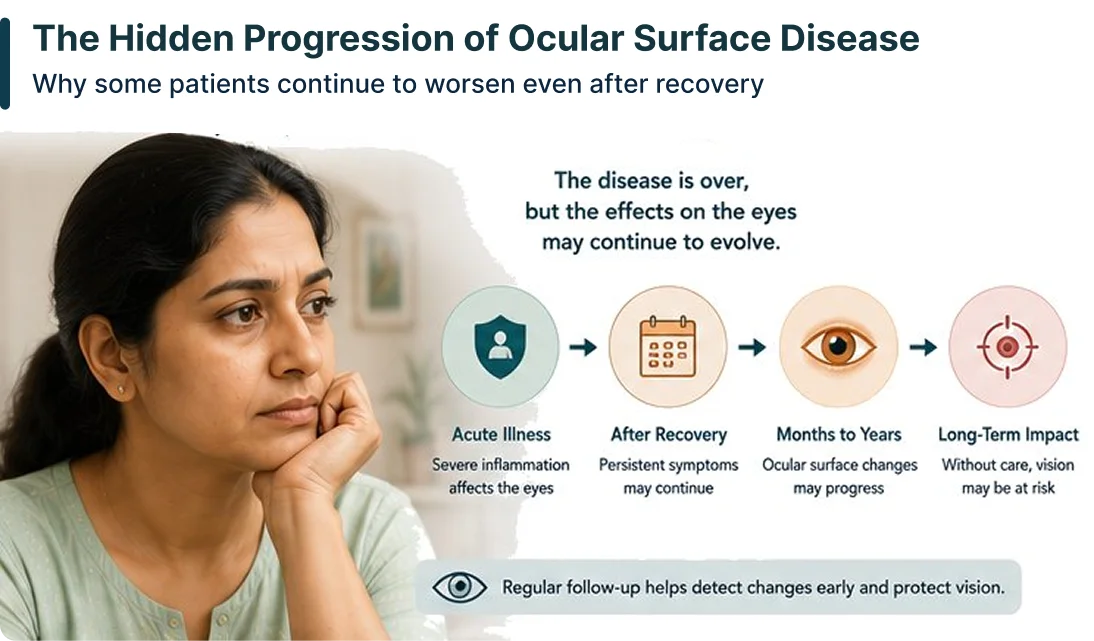
Your skin may have healed. But has your recovery really ended?
“Doctor, everyone says I have recovered. Then why do my eyes still burn?”
By the time many patients visit us, the most frightening phase of their illness is already over. The fever has settled, the blisters have healed, and the skin has recovered. Life slowly begins to return to normal — yet something still doesn’t feel right.
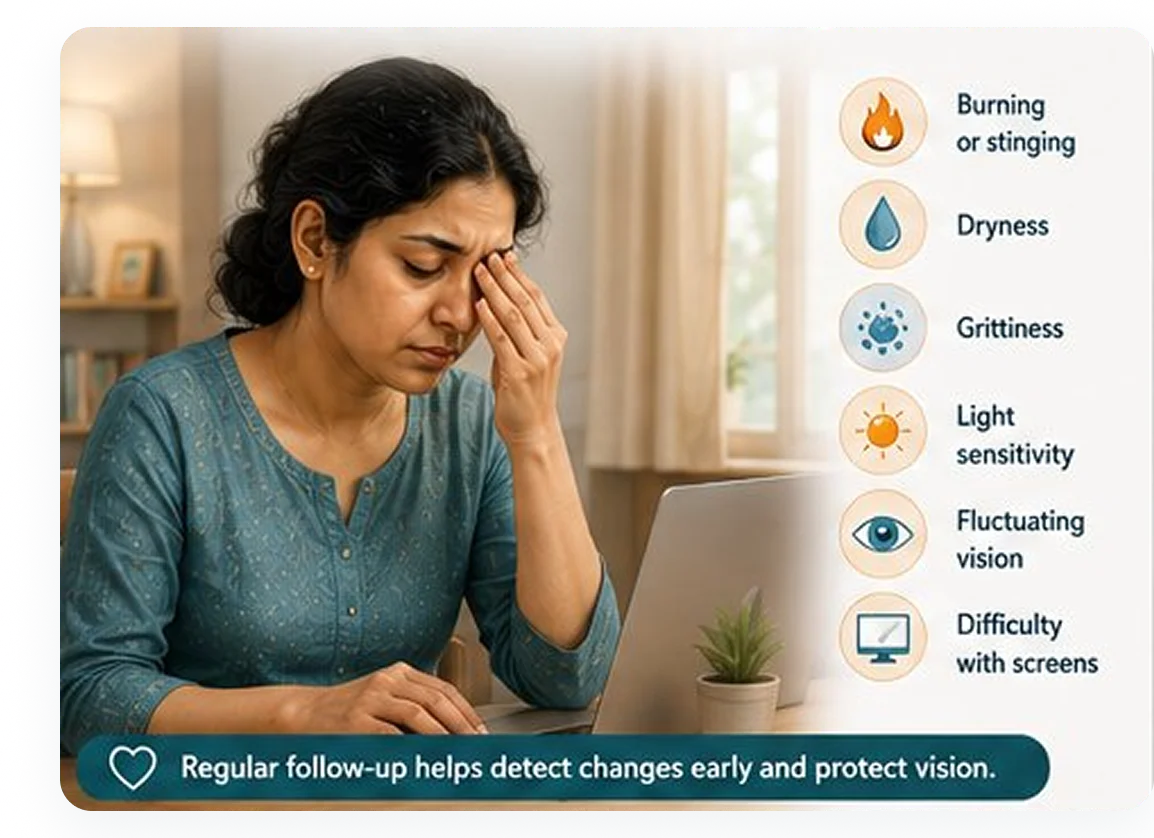
Their eyes continue to burn. Reading becomes difficult. Bright light feels uncomfortable. Some notice their vision is no longer as clear; others simply feel their eyes are never truly comfortable again. Many assume these symptoms are temporary. Unfortunately, they are not always.
While Stevens–Johnson Syndrome (SJS) is widely recognised as a serious disease affecting the skin, it can also cause significant and sometimes permanent damage to the ocular surface – the delicate tissues that keep the eye comfortable, healthy and transparent. The encouraging news is that many of these complications can be prevented, reduced or managed effectively when recognised early.
This guide explains why Stevens–Johnson Syndrome affects the eyes, what symptoms should never be ignored, and how specialised ocular surface care can help preserve both comfort and vision.
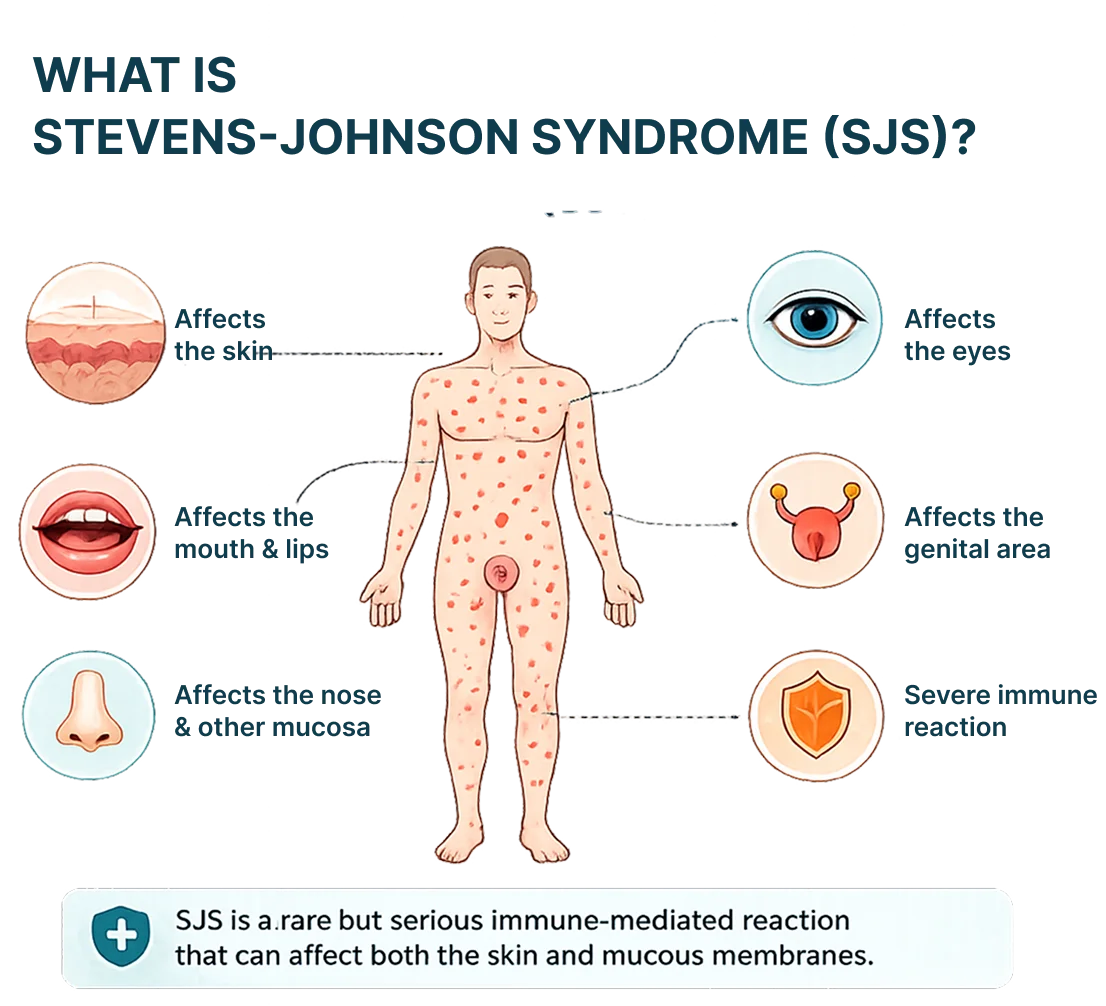
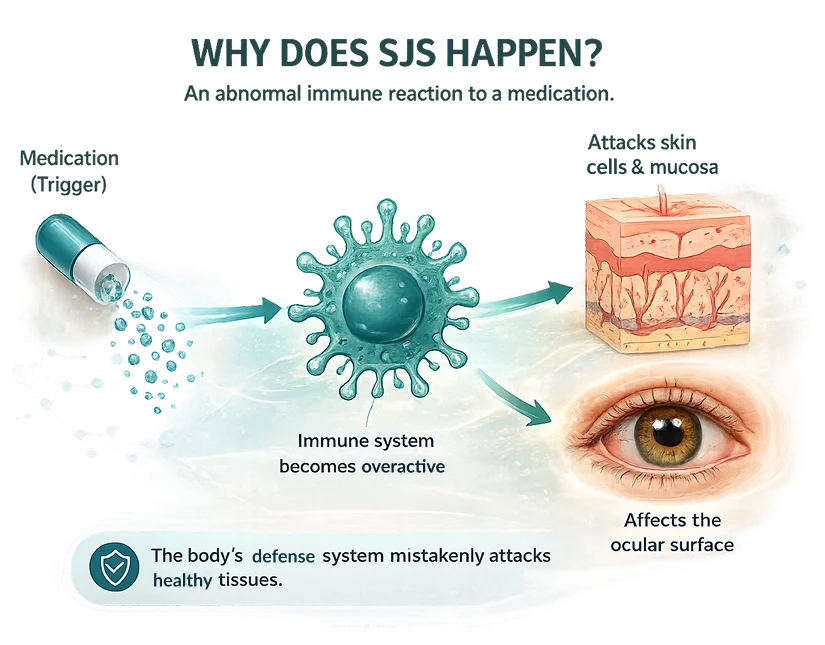
SJS is a severe immune-mediated reaction, most commonly triggered by a medication. Instead of protecting the body, the immune system mistakenly attacks its own skin and mucous membranes, including:
In more extensive disease, where a larger area of the body is involved, the condition is known as Toxic Epidermal Necrolysis (TEN). Both SJS and TEN are medical emergencies requiring immediate hospital care.
In most adults, SJS develops as an unexpected reaction to a medication. Symptoms usually begin one to three weeks after starting a new medicine. Common triggers include:
The reaction is usually unpredictable — many patients have taken the same medicine before without any problem. There is currently no reliable test that can predict who will develop SJS.
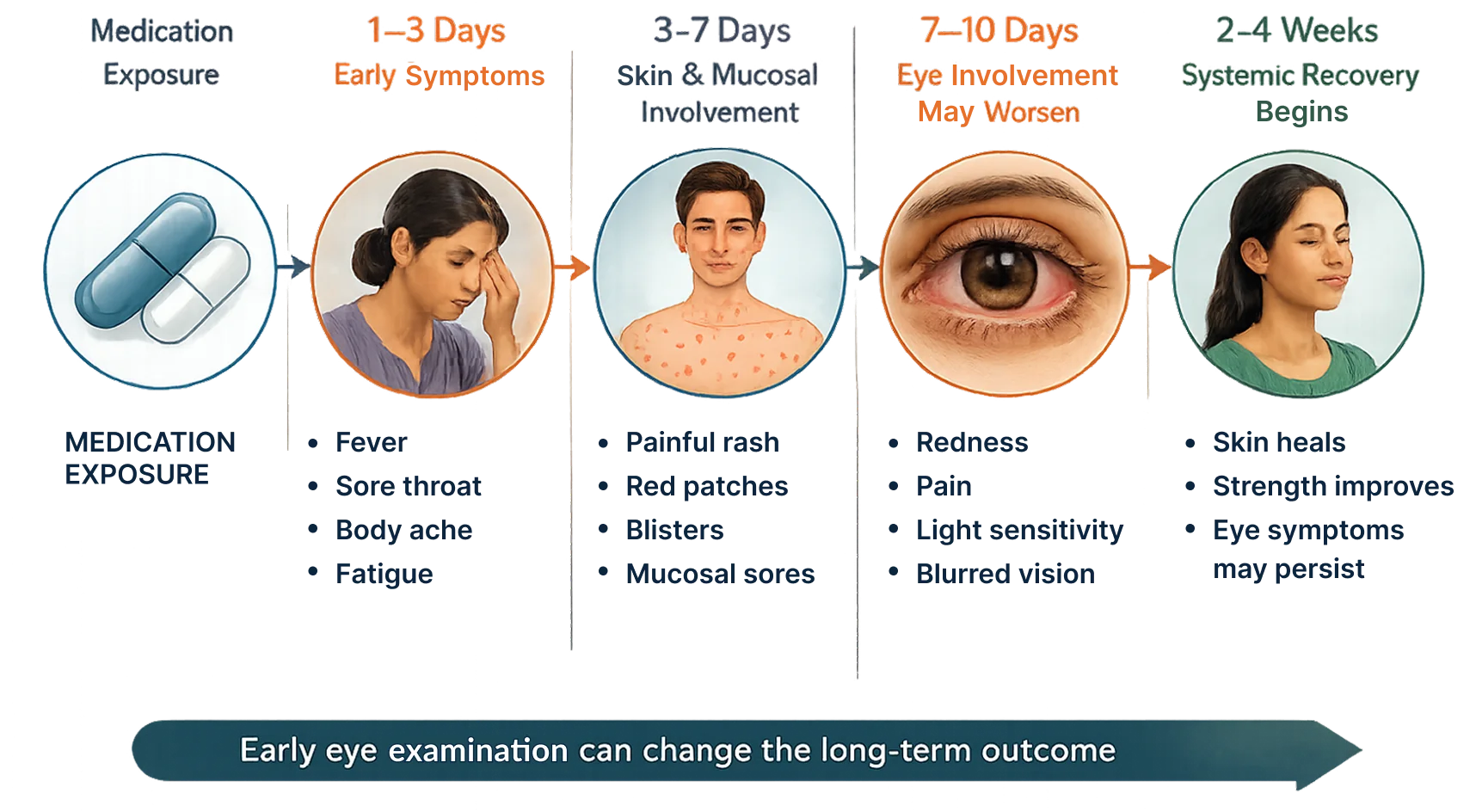
The illness usually begins like a viral infection — which is why a serious emergency can go unrecognised at first. Many patients initially experience:
Within a few days the illness changes dramatically: painful rashes appear, blisters develop, the skin peels, the lips ulcerate, and the eyes become red, painful and sensitive to light. In severe cases, hospitalisation — including intensive care — is essential.
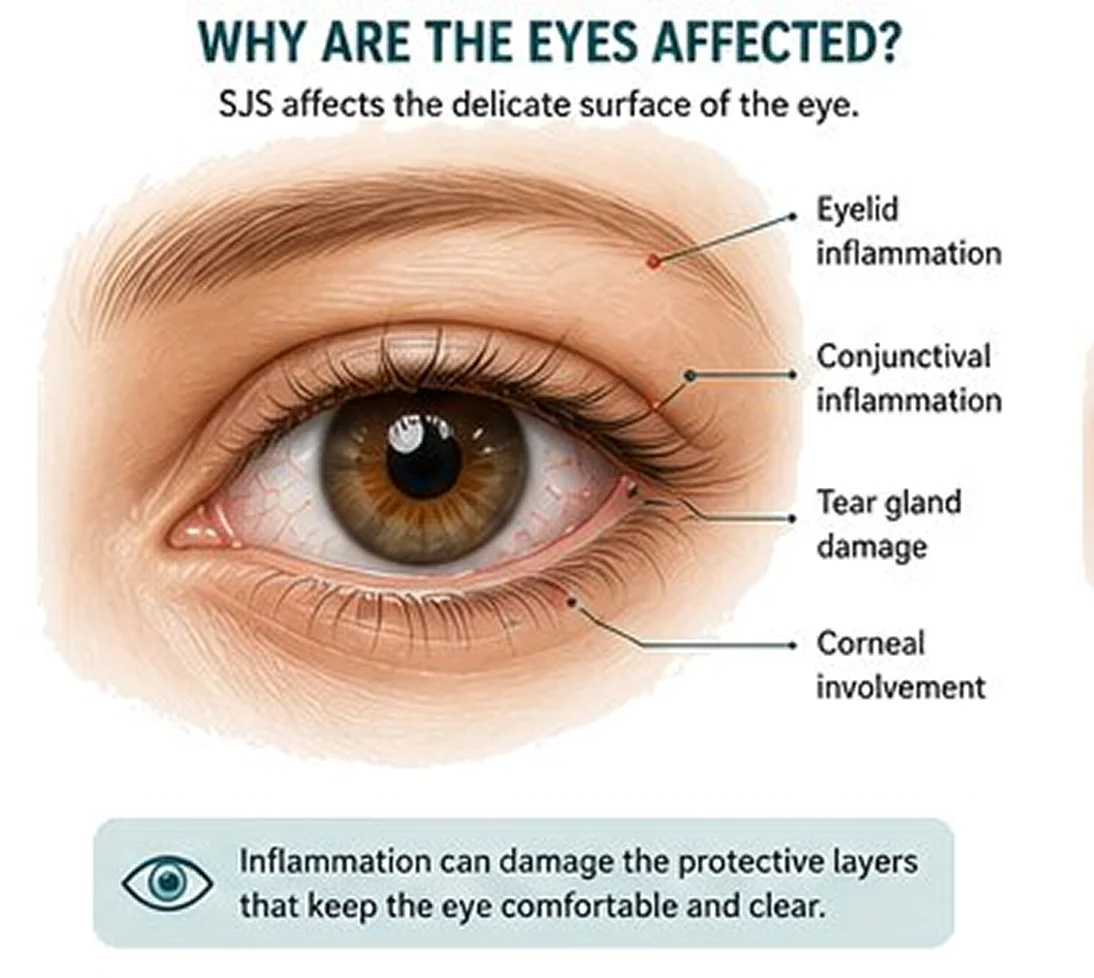
The surface of the eye is covered by an extremely delicate layer of specialised cells. During SJS, the same inflammatory process that affects the skin also damages this protective surface — the eyelids, conjunctiva, tear-producing glands and cornea may all become involved. In the acute stage patients commonly experience:
Because these symptoms resemble conjunctivitis, they are often underestimated. Damage in these early days frequently determines the long-term health of the ocular surface — early ophthalmic assessment is essential, not optional.
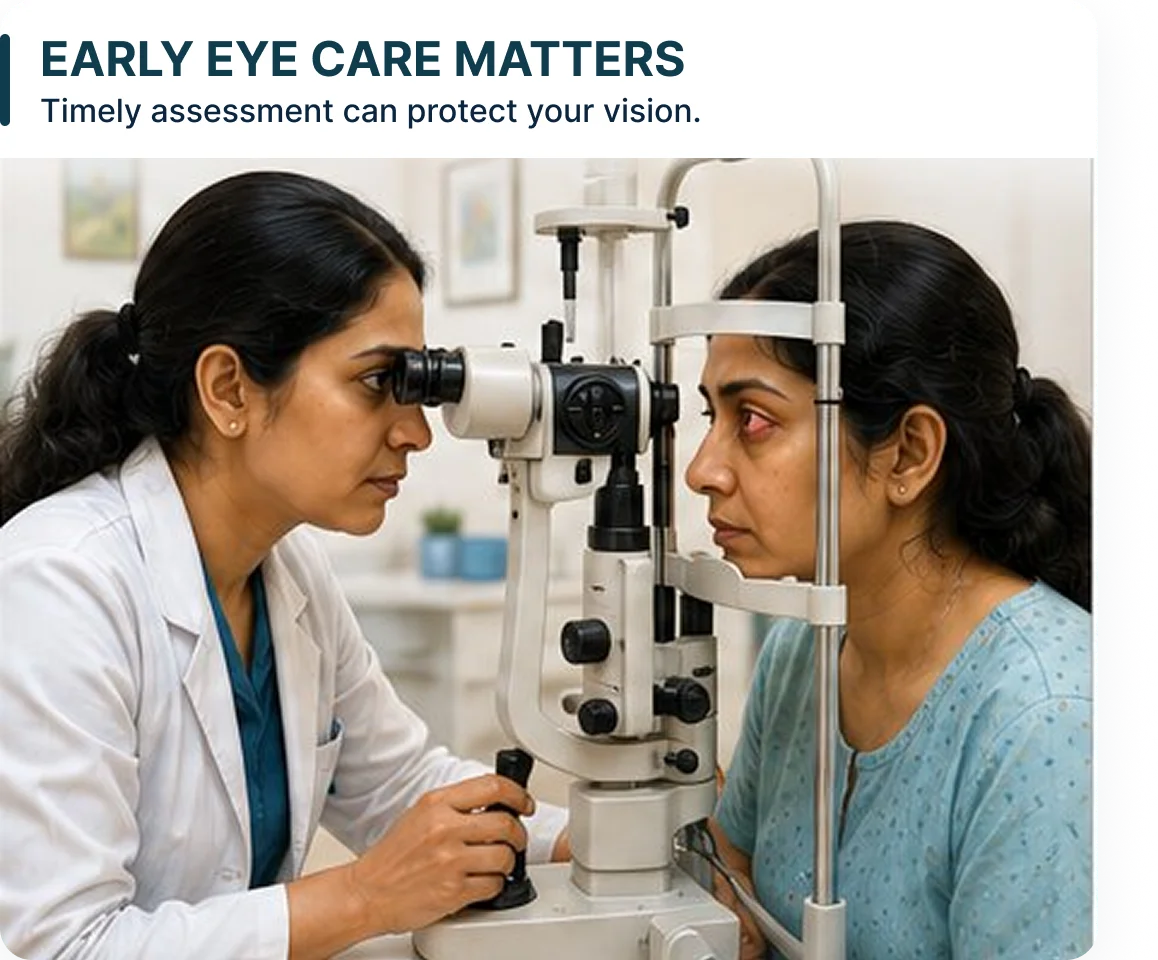
For physicians, the acute illness is a medical emergency. For ophthalmologists, it is also a race against time. The inflammatory damage occurring during these first few days can determine the long-term health of the ocular surface. Every patient diagnosed with SJS should undergo an ophthalmic examination as early as possible — even if the eye symptoms appear mild.
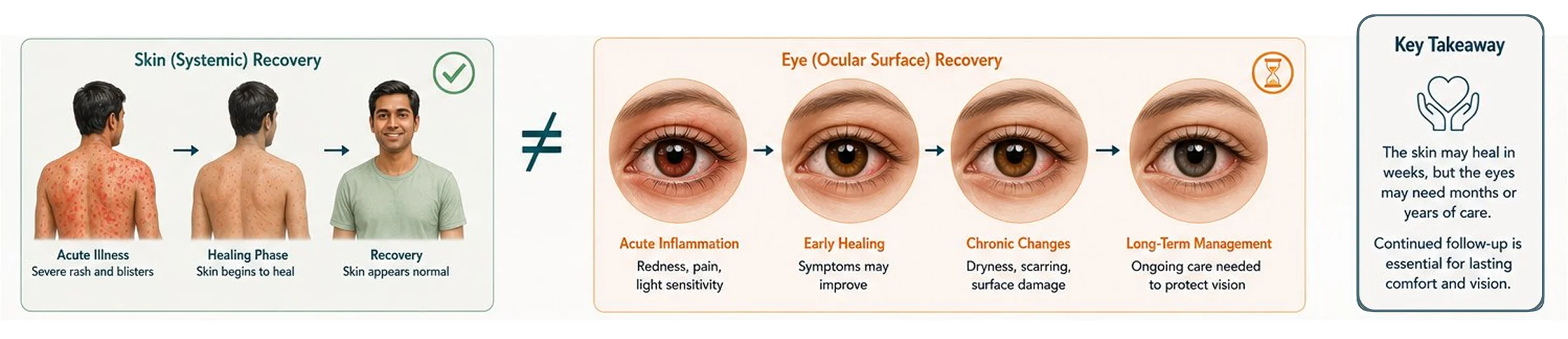
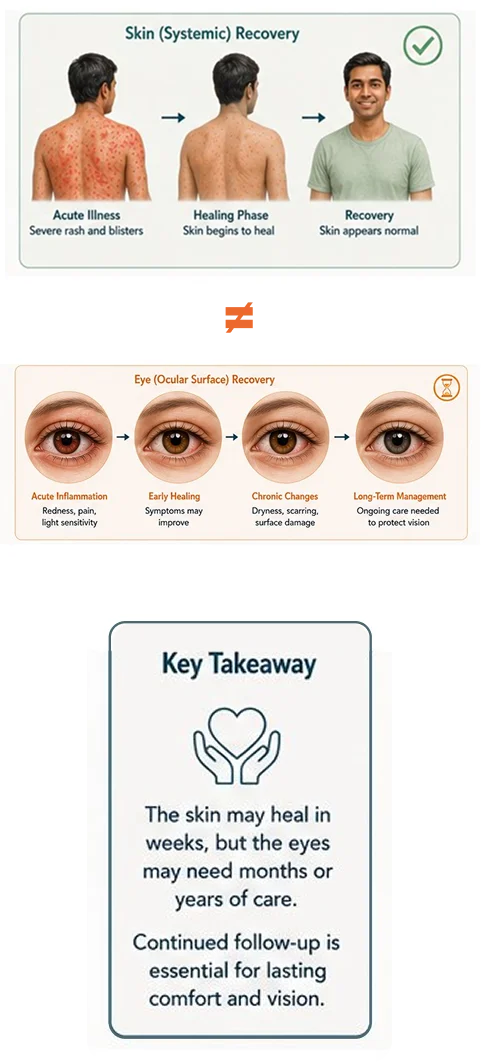
The biggest mistake is believing that if the skin heals, the eyes will automatically recover too. The eyes require their own specialised assessment and treatment during the acute illness.
During the acute stage, protecting the ocular surface becomes as important as treating the systemic illness. The objectives are to:
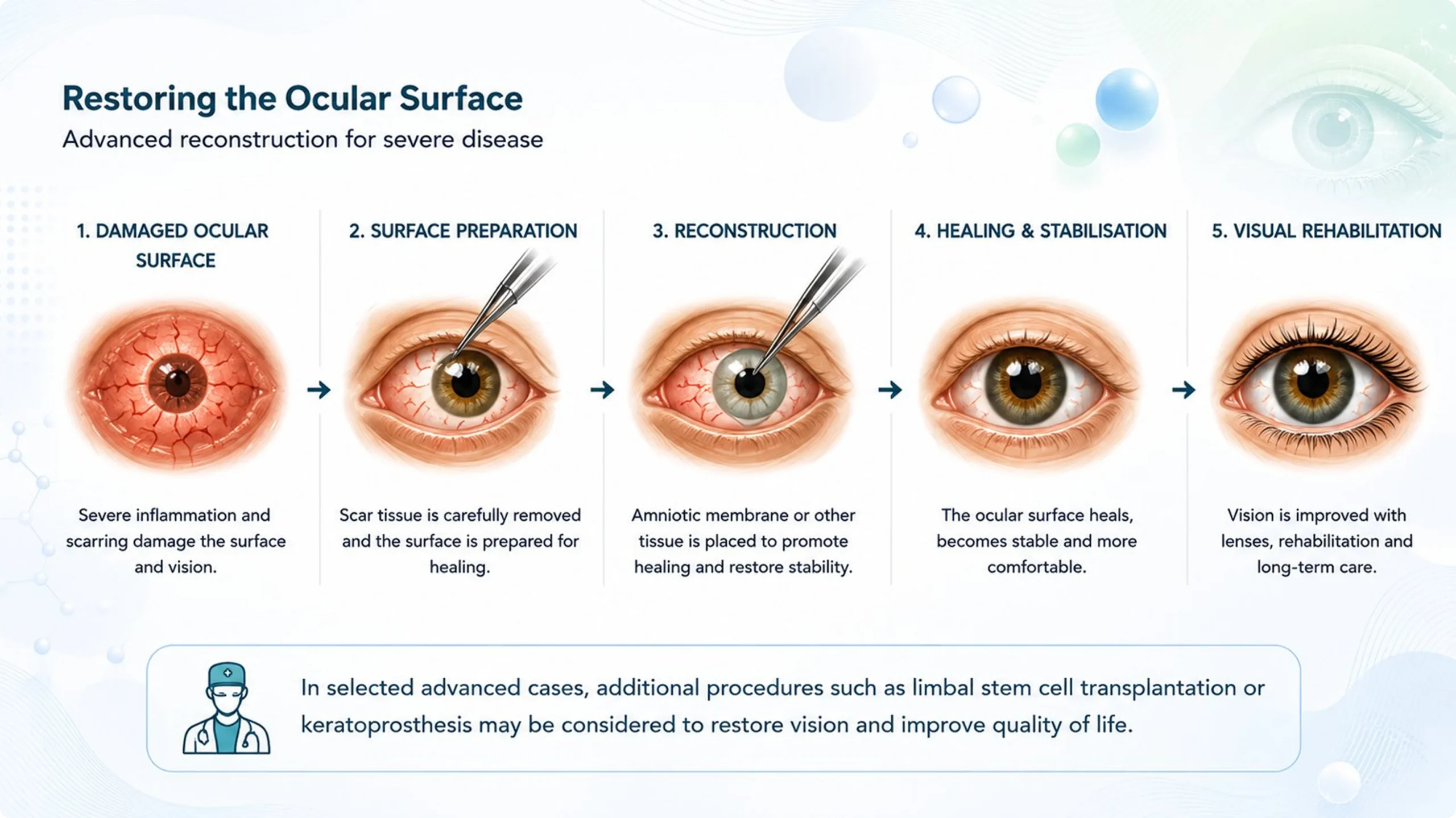
One treatment that has transformed outcomes is amniotic membrane transplantation — a biological bandage applied in the first 5–10 days that reduces inflammation, promotes healing and lowers the risk of permanent scarring. Timing is critical.
Early treatment is not simply about relieving symptoms — it is about preserving the future health of the ocular surface.
Recovery from SJS does not always end when patients leave the hospital. As the skin heals, persistent ocular symptoms often become more noticeable. Patients commonly describe:
These are not simply part of recovery — they often reflect ongoing changes to the tear film, eyelids and ocular surface that may progress silently over months or years.
SJS is an acute illness with potentially lifelong ocular consequences. While the systemic disease resolves, the eyes often require continued care to maintain comfort, preserve vision and prevent progressive damage.
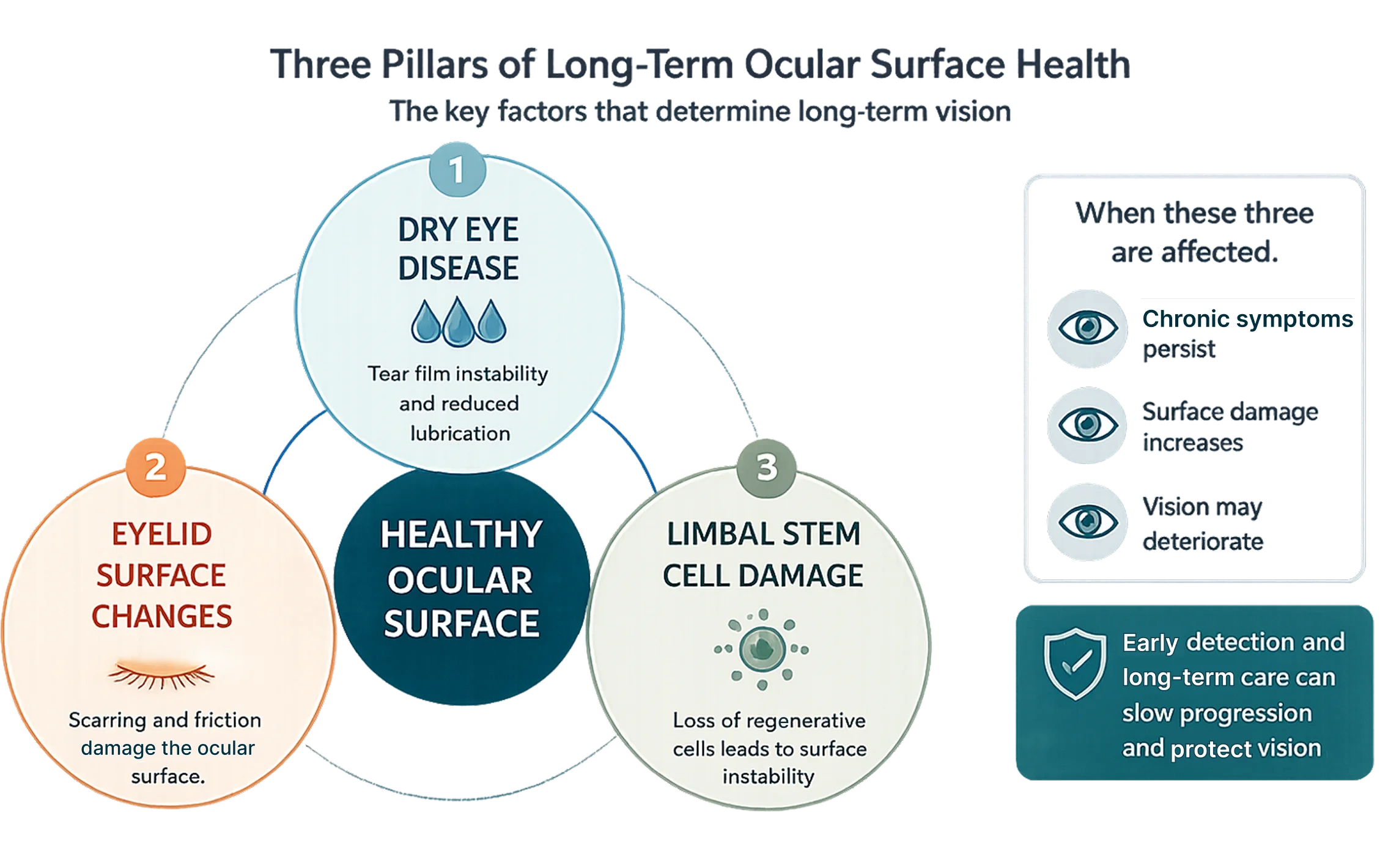
The eyes may continue to change long after the rest of the body has healed. While SJS itself is acute, the damage it causes to the ocular surface can keep affecting the eyes for months or years. Some patients remain stable for life; others develop progressive ocular surface disease despite full systemic recovery. This is why regular follow-up matters — not because the disease recurs, but because its consequences continue to evolve.
Damaged tear glands reduce lubrication, so every blink increases friction — causing burning, grittiness and fluctuating vision.
Scarring on the inner eyelid behaves like fine sandpaper, repeatedly rubbing and damaging the fragile ocular surface with every blink.
Loss of the cells that regenerate the cornea leaves the surface unstable, and vision gradually deteriorates (Limbal Stem Cell Deficiency).
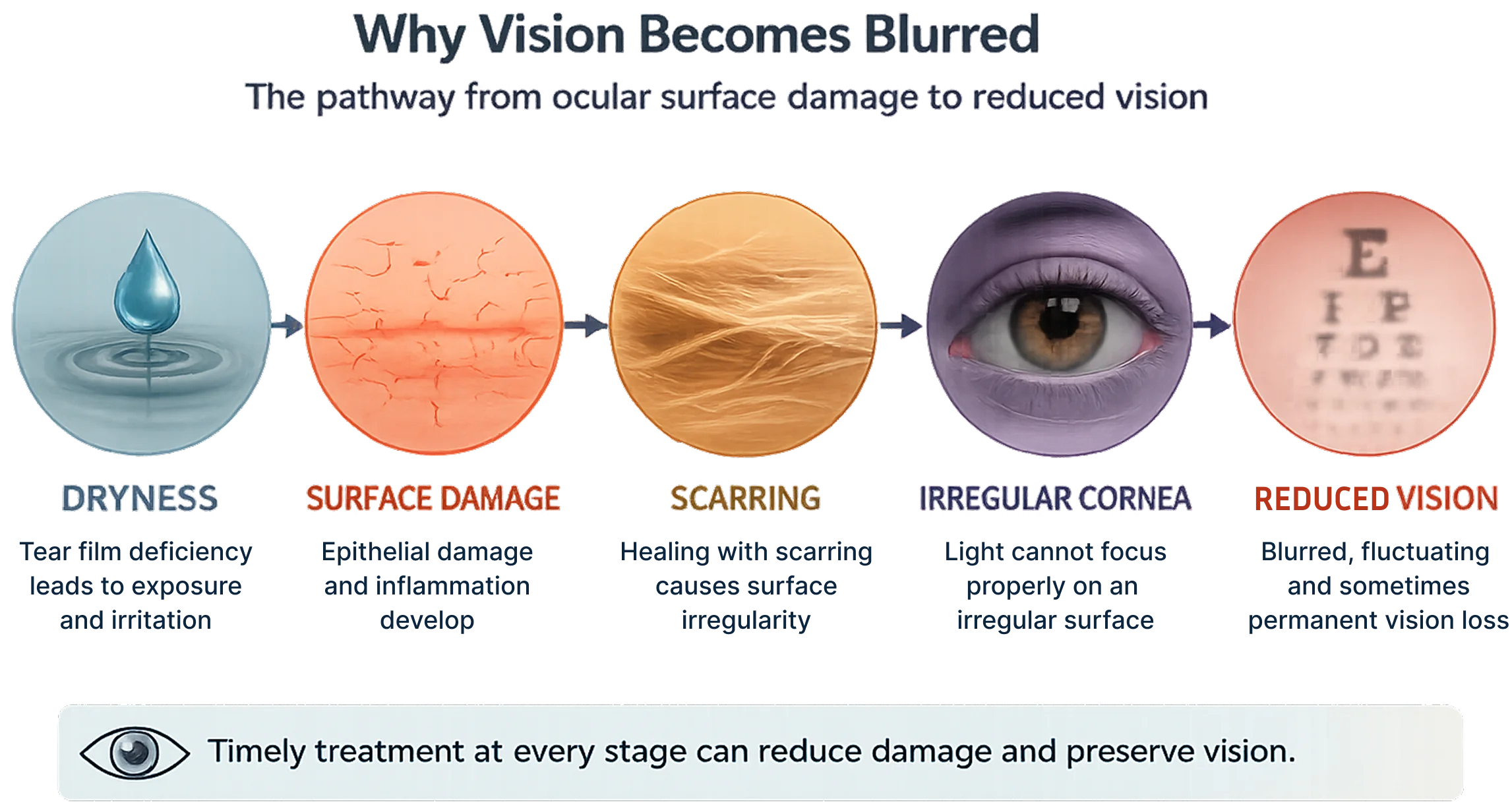
The greatest threat to vision is rarely a single event. More often, it is the combination of dryness, eyelid friction and stem cell damage acting together over time.
Not every patient loses vision. When it is affected, it is usually due to progressive surface changes — persistent dryness, corneal scarring, limbal stem cell deficiency, surface irregularity and chronic inflammation — rather than the disease itself. Many of these changes develop gradually and deserve careful evaluation, because several can be improved with appropriate treatment.
For some patients, the greatest challenge is not surviving the acute illness, but learning to live comfortably afterwards. The encouraging news is that advances in ocular surface medicine now allow many patients to regain comfort, improve vision and maintain an active lifestyle. With regular follow-up and personalised treatment, patients often continue reading, working, travelling and enjoying daily life with confidence. The journey does not end with recovery — for many, it begins with protecting the eyes for the future.
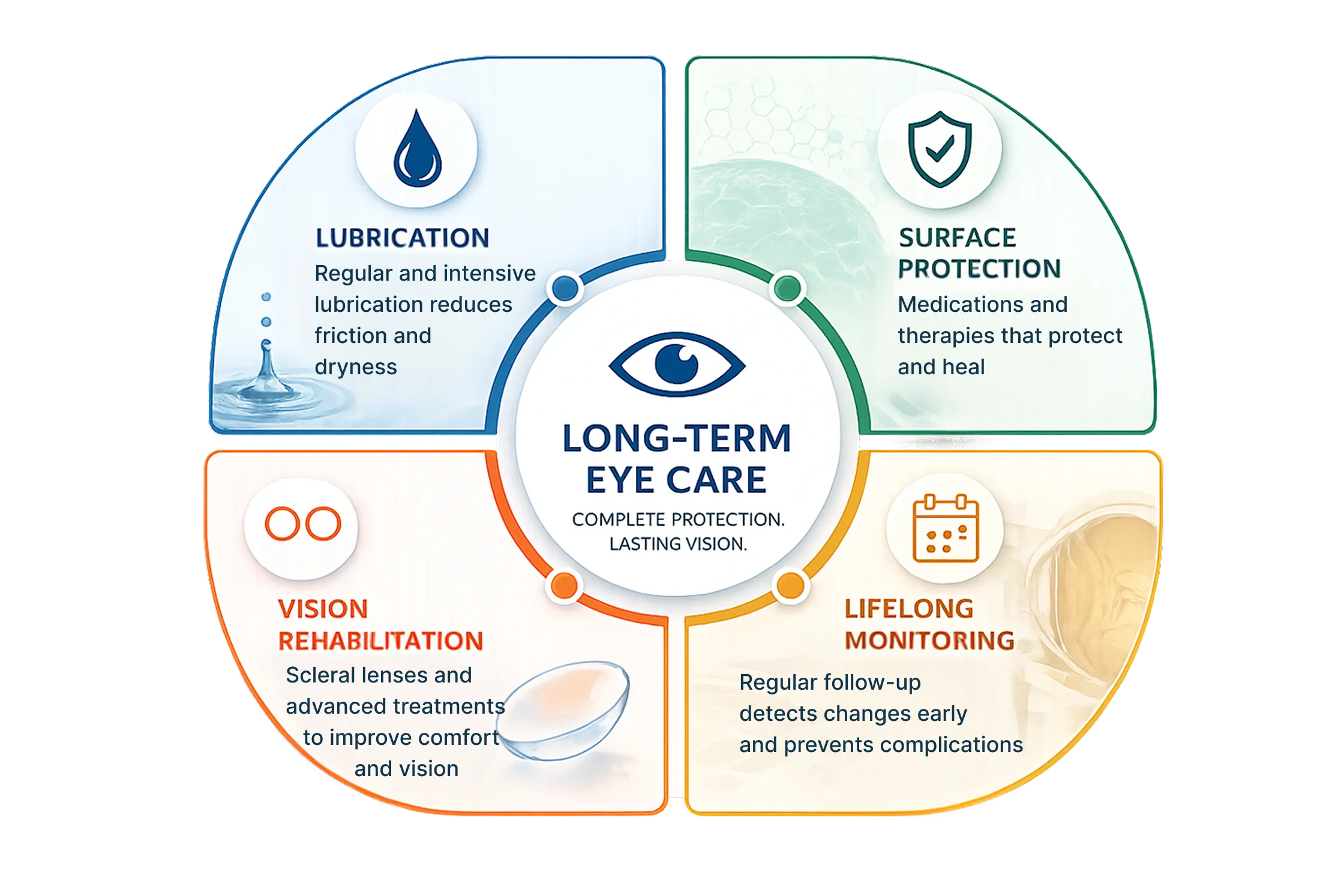
There is no single treatment that reverses SJS. Successful management focuses on understanding which parts of the ocular surface are affected and tailoring treatment accordingly. Some patients need only lubrication and monitoring; others benefit from specialised medical therapy, scleral contact lenses or ocular surface reconstruction. The goal is always to improve comfort, preserve vision, prevent further damage and restore quality of life.
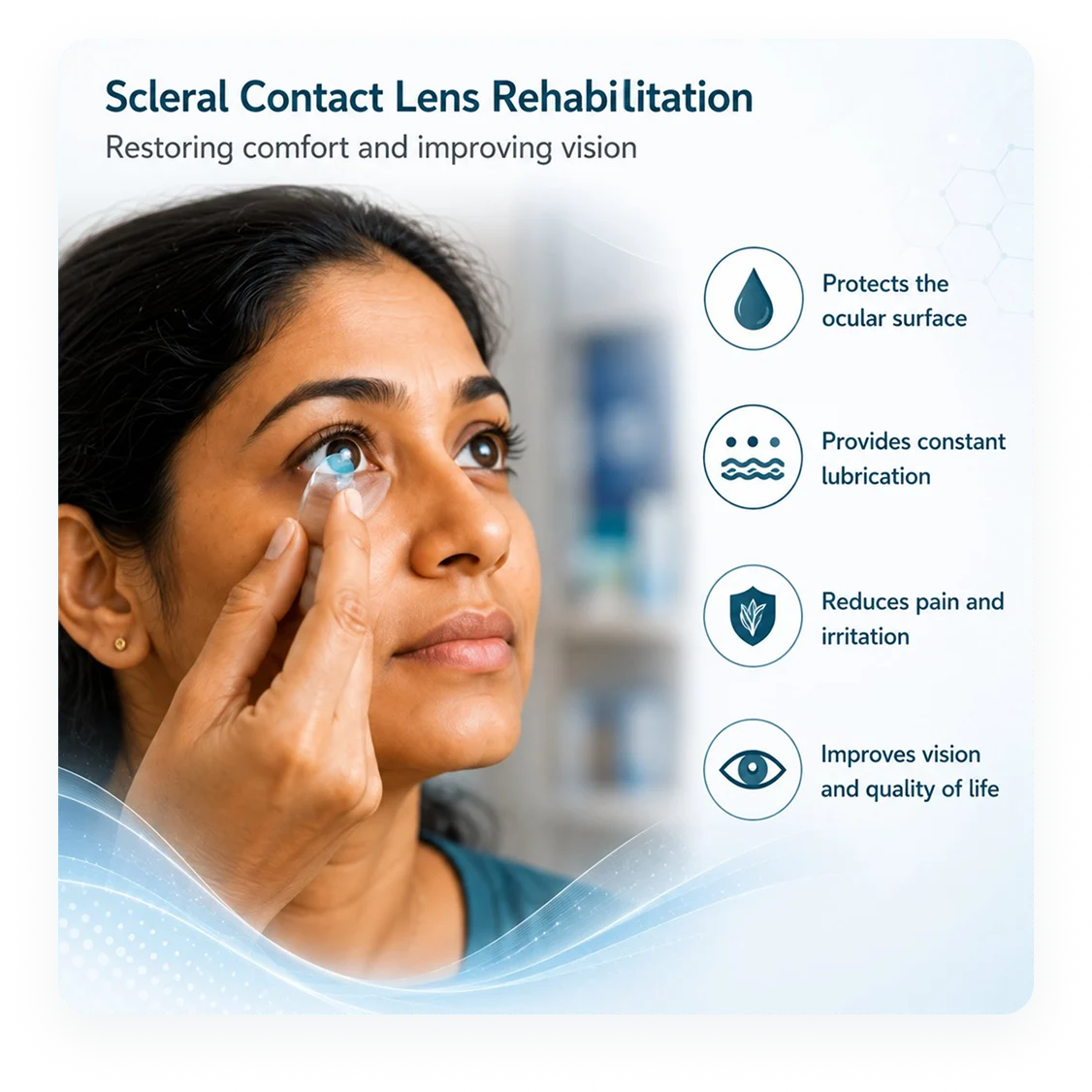
One of the most significant advances has been the scleral contact lens. Unlike conventional lenses, it rests on the white of the eye and creates a reservoir of fluid over the cornea. For many patients living with SJS, this can be life-changing. Scleral lenses:
In patients with severe damage, advanced reconstructive procedures may be considered — and in selected advanced cases, limbal stem cell transplantation or keratoprosthesis. These highly specialised procedures are performed only after comprehensive evaluation. The aim is not simply to improve vision, but to restore a stable, comfortable and sustainable ocular surface.
The disease itself usually does not recur unless the triggering medication is taken again. However, the ocular surface changes caused by the original illness may continue to require long-term care.
No.
Many patients maintain useful vision throughout their lives.
Early diagnosis, appropriate treatment and regular follow-up significantly improve
long-term outcomes.
Yes.
Some of the most important ocular complications develop after the acute illness has resolved.
Even if your eyes feel comfortable, an ophthalmic assessment is recommended.
Yes.
Although it may not be completely reversible, modern ocular surface therapy can substantially improve comfort, protect the eye and enhance quality of life.
Some patients require only periodic review.
Others benefit from long-term monitoring, particularly if they have dryness, eyelid changes or limbal stem cell deficiency.
Your ophthalmologist will recommend a follow-up schedule based on your individual condition.
“Over the years, I have cared for patients at every stage of this journey — some during the acute illness, others arriving months or years later believing nothing more could be done. One lesson has remained constant: timing changes outcomes.”
When we recognise ocular involvement early, protect the ocular surface and continue appropriate follow-up, many long-term complications can be reduced — and in some cases prevented. Recovery does not end when the skin heals. With expert care and modern ocular surface therapies, many patients can regain comfort, preserve vision and live active, fulfilling lives.
An Institute of Excellence dedicated exclusively to diseases of the cornea, ocular surface and dry eye. Our areas of expertise include:
If you have recovered from Stevens–Johnson Syndrome but still experience burning, dryness, light sensitivity, blurred or fluctuating vision, or persistent irritation, these symptoms should not be ignored. A comprehensive ocular surface evaluation can identify treatable causes and help protect your vision.
Common Myths About Eye Power Changes: Facts vs. Fiction Are You Believing These Eye Power Myths? Many misconceptions exist about […]
Why Does Your Eye Power Change? Causes and Solutions Why Does Your Eye Power Change? Have you ever wondered why […]

Top 10 Mistakes Contact Lens Wearers Make & How to Avoid Them Are You Wearing Contact Lenses the Right Way? […]