Your Eye Surface Can Be Affected in Many Ways. We Diagnose and Treat All of Them.
Your Eye Surface Can Be Affected in Many Ways.
We Diagnose and Treat All of Them.
Comprehensive Care for Dry Eye, Autoimmune Eye Disease & Complex Ocular Surface Disorders.
Global Referral Centre for Complex Ocular Surface Disorders & Keratoprosthesis (KPro)
Awards
Papers
Awards
Papers
What Are Ocular Surface Disorders?
Ocular surface disorders affect the front layer of the eye, the cornea, conjunctiva, eyelids, and tear film that keeps the eye moist and protected.
When this system breaks down, it causes irritation, dryness, and vision problems.
These conditions range from everyday dryness to severe, sight-threatening diseases and each requires a different approach.
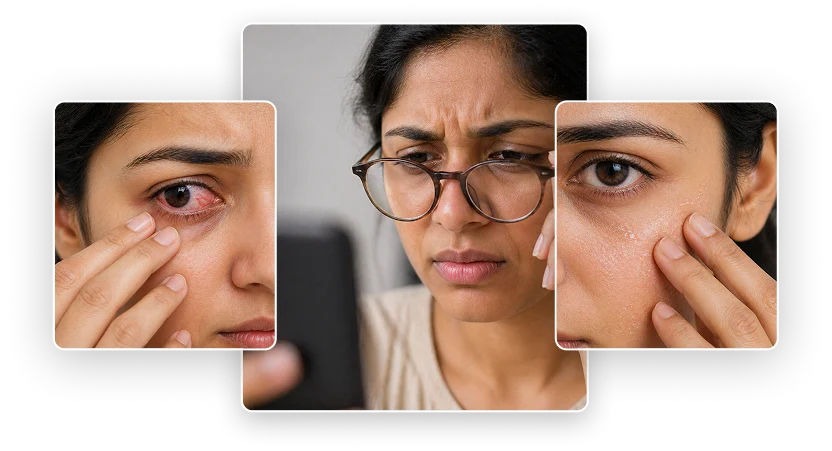
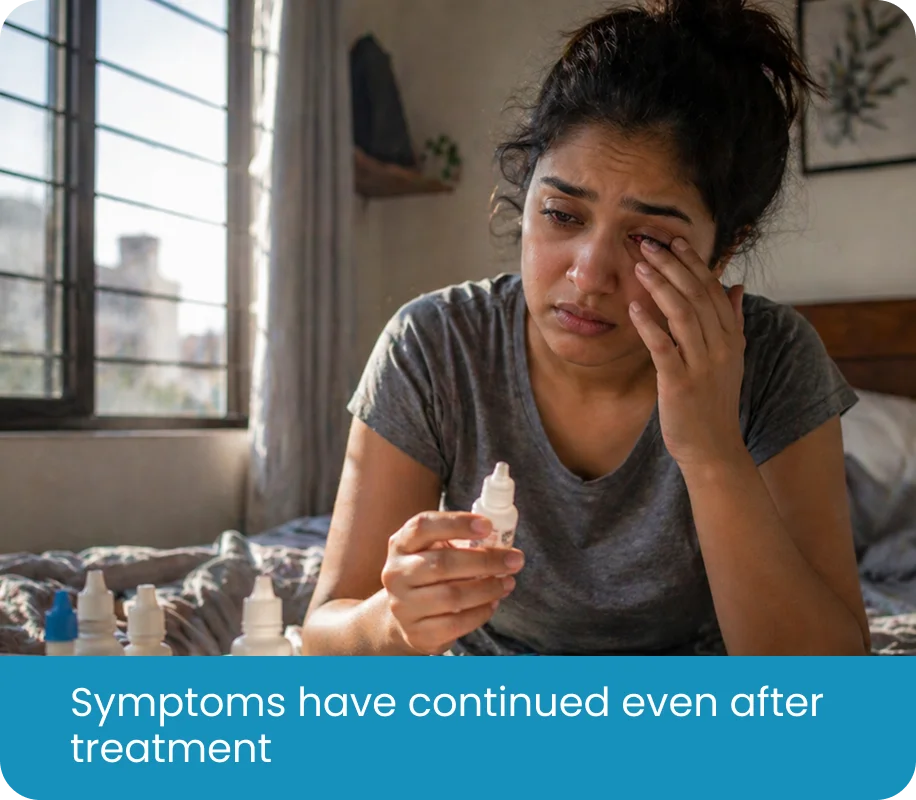
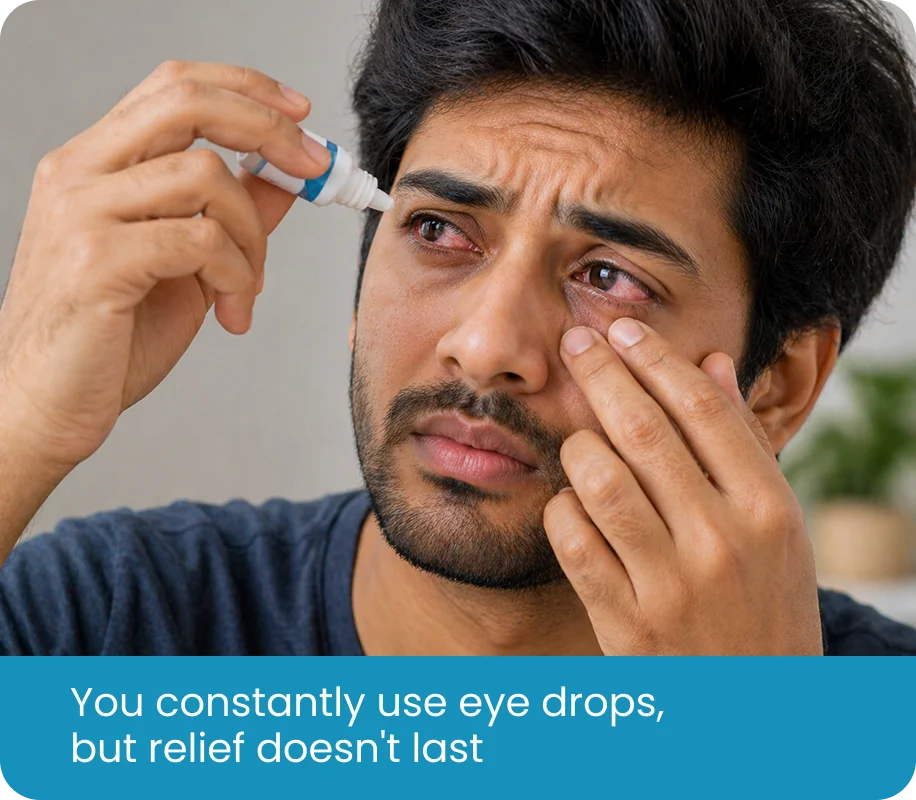
You may have an ocular surface disorder if:



What Relief Actually Feels Like
Patient Success Stories
Stories from patients from across the globe with severe ocular surface disease, dry eye, Stevens-Johnson syndrome, and complex corneal conditions.
Meet Your Ocular Surface Specialists in Chennai
Dr Geetha Iyer
Medical Director, CODE Eye Care
20+ years of experience in managing dry eye and complex ocular surface disorders. Expert in advanced diagnostic evaluation and long-term treatment planning. Specialised in chronic and treatment-resistant eye conditions. Board Member, Tear Film & Ocular Surface Society (TFOS) Steering Committee Member – International KPro Study Group.

- 20+ years of experience in managing dry eye and complex ocular surface disorders
- Expert in advanced diagnostic evaluation and long-term treatment planning
- Known for handling chronic, treatment-resistant eye conditions
Dr Bhaskar Srinivasan
Senior Ophthalmologist | Cornea Specialist
20+ years of experience in corneal diseases and ocular surface management. Evidence-based approach to treatment and surgical care. Manages advanced and referral-level cases. India Ambassador – Tear Film & Ocular Surface Society (TFOS) Steering Committee Member – International KPro Study Group.

- 20+ years of experience in corneal diseases & ocular surface management
- Strong focus on evidence-based treatment and surgical precision
- Handles advanced and referral-level cases
Advanced Ocular Surface Treatment Options
Treatment is selected based on your diagnosis, severity, and response to prior care. We begin with the least invasive approach and escalate only when needed.
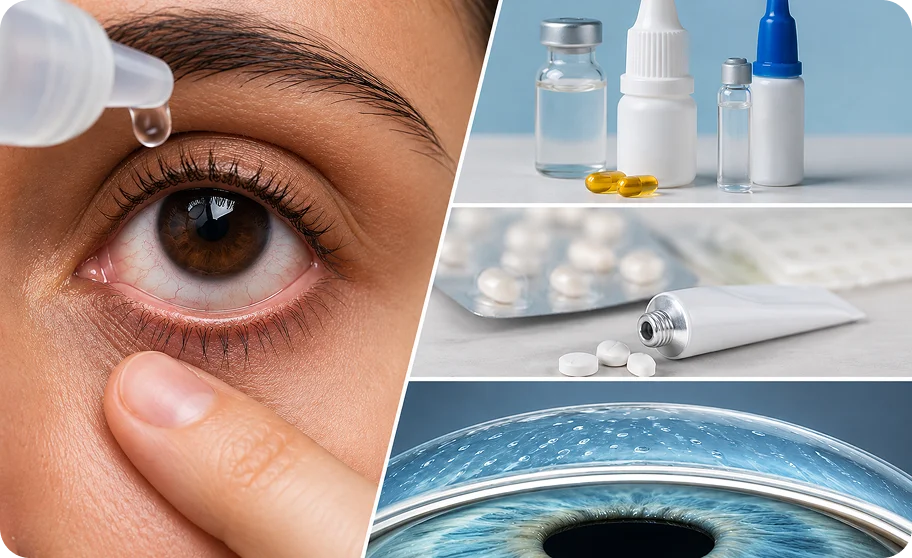
- Targeted lubrication strategies
- Anti-inflammatory therapy
- Tear film stabilisation
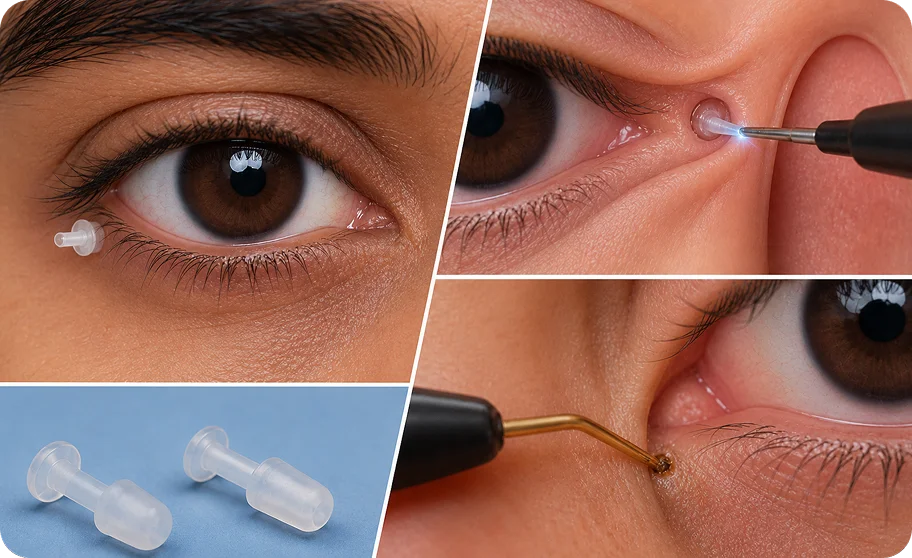
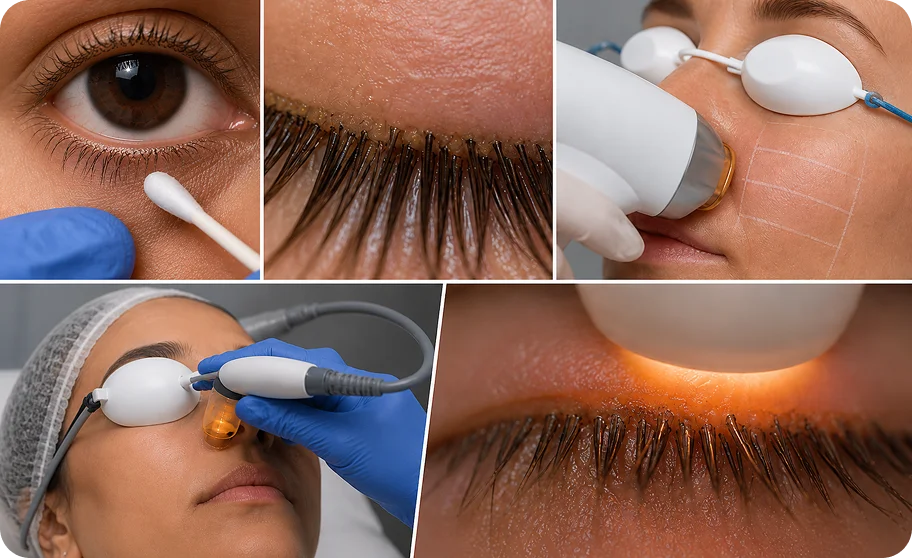
- Lid margin disease treatment
- MGD therapy, including Intense Pulsed Light (IPL) & Thermal Therapy
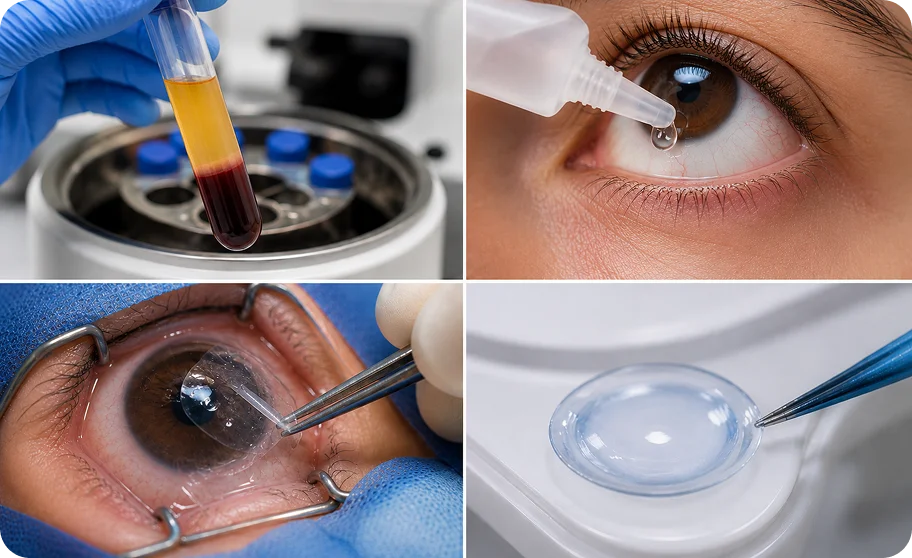
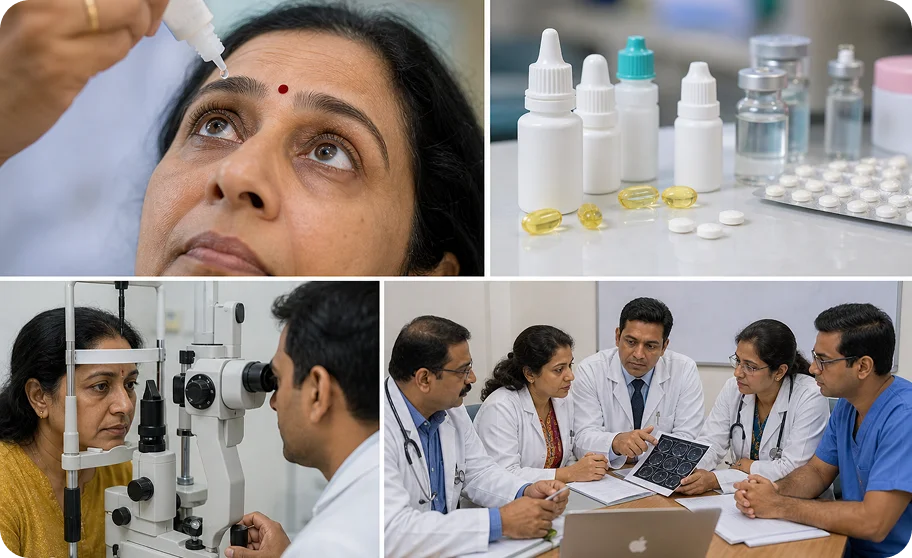
- Systemic and topical immune-based treatment for autoimmune eye disease
- Coordinated care with rheumatologists, nephrologists, dermatologists, and immunologists
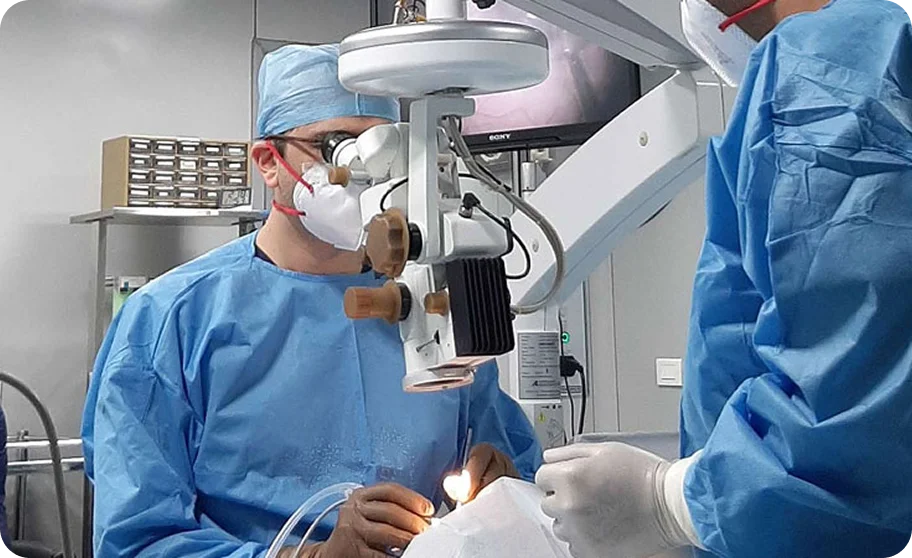
- Amniotic Membrane Grafting
- Mucus Membrane Graft
- Limbal Cell Procedures — SLET / AlloSLET
- Corneal Transplantation — High-Risk Grafts
- Keratoprosthesis (KPro) — Type 1 & 2 KPro, MOOKP, Auro KPro for cases where standard transplants are not suitable
Types Of Ocular Surface Diseases We Treat
Common Ocular Surface Conditions
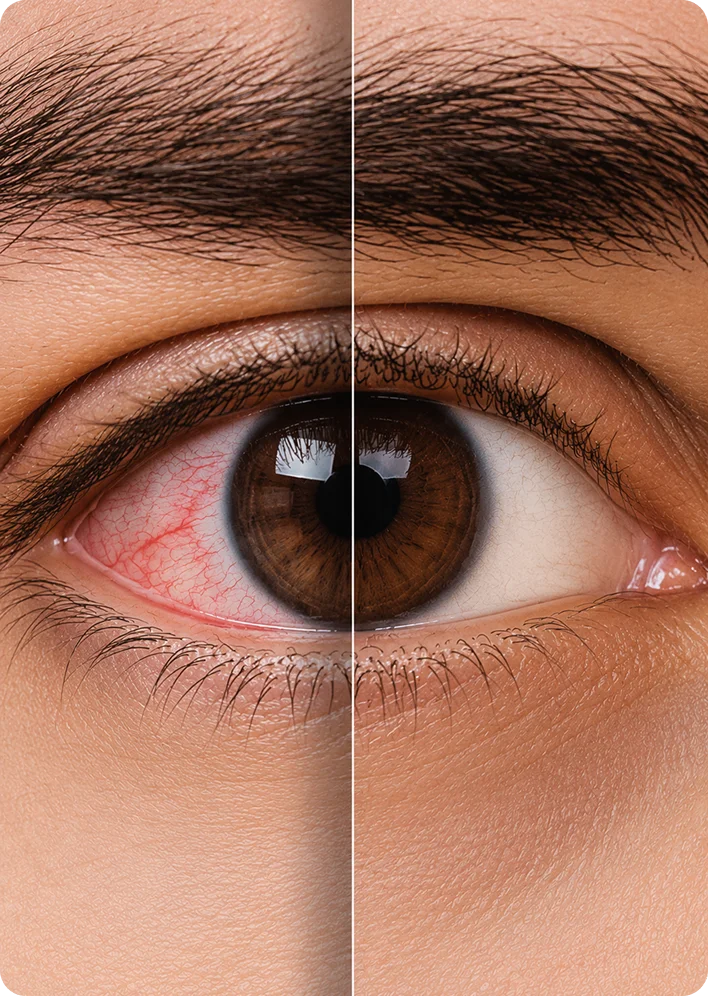
- Dry Eye Disease
- Meibomian Gland Dysfunction (MGD)
- Blepharitis
- Allergic Eye Disease
- Pterygium
- Demodex Infestation
- Chalazion & Stye
- Insufficient or unstable tears causing persistent discomfort
- Blocked oil glands causing tears to evaporate too fast
- Chronic eyelid inflammation with crusting and redness
- Seasonal or environmental triggers causing redness and itching
- UV-related tissue growth on the eye surface causing irritation
- Microscopic mites on eyelids causing persistent irritation
- Painful eyelid lumps from blocked glands
Autoimmune & Inflammatory Disorders
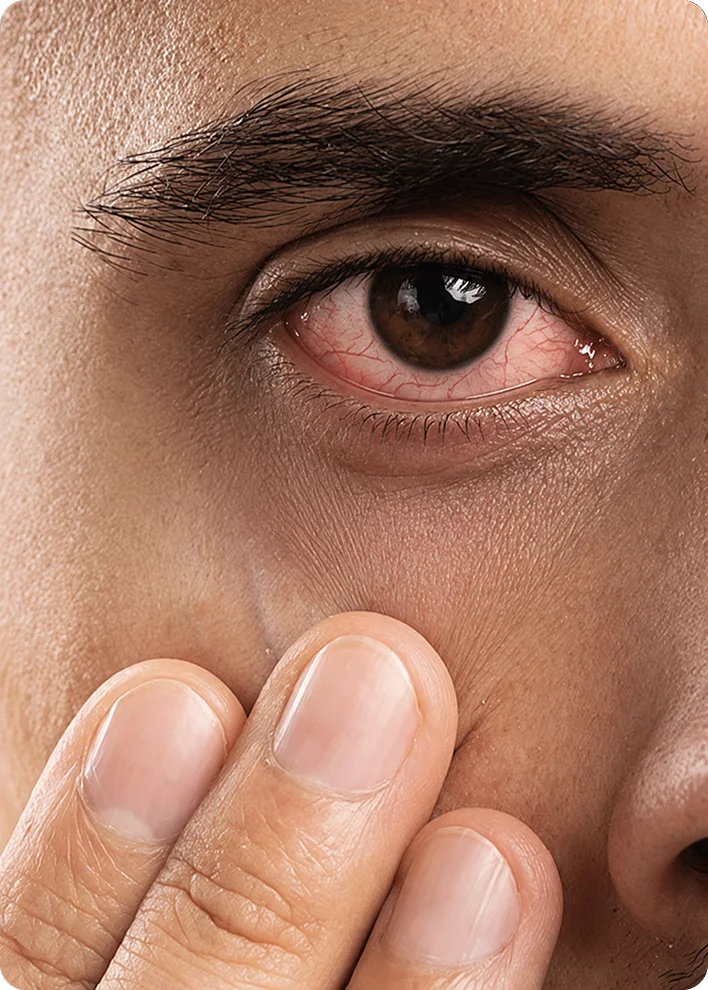
- Sjögren’s Disease
- Rheumatoid Arthritis-Related Eye Disease
- SLE (Lupus)
- Scleritis
- Uveitis
- Hydroxychloroquine Screening
- PUK / Mooren’s Ulcer
- An autoimmune condition where the body attacks its own tear glands
- Joint disease that can also affect the eye surface
- Systemic autoimmune disease with potential eye involvement
- Painful inflammation of the white of the eye
- Internal eye inflammation that can affect the surface
- Eye monitoring for patients on long-term hydroxychloroquine therapy
Severe Ocular Surface Disorders
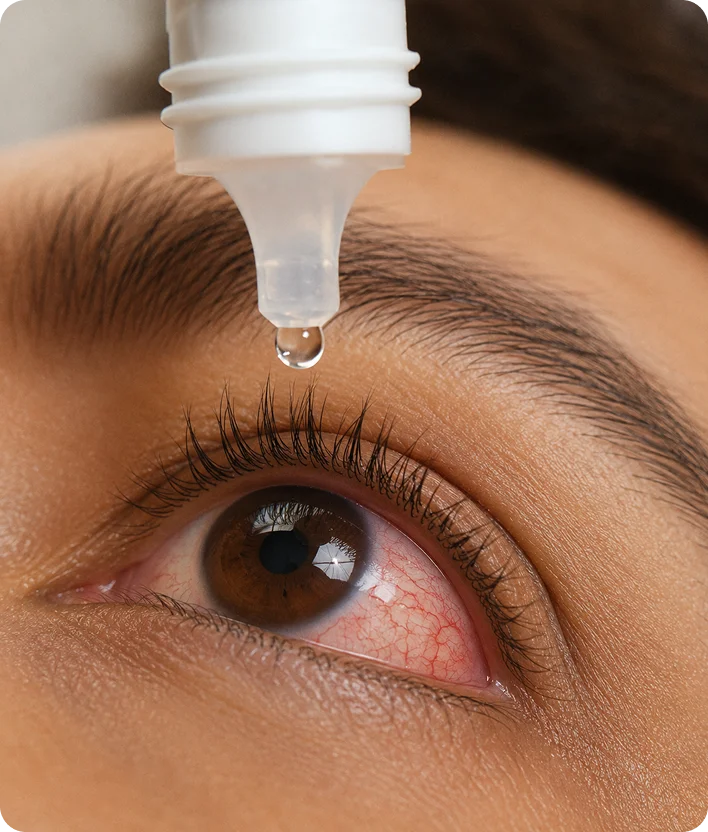
- Stevens-Johnson Syndrome (SJS)
- Ocular Cicatricial Pemphigoid (OCP) / Mucous Membrane Pemphigoid
- Graft-vs-Host Disease (GVHD)
- Limbal Stem Cell Deficiency (LSCD)
- A severe reaction that can cause permanent eye surface scarring
- An autoimmune condition causing progressive scarring of the eye surface
- Eye complications following bone marrow or stem cell transplant
- Loss of the cells that maintain a clear, healthy corneal surface
Injury-Related Conditions
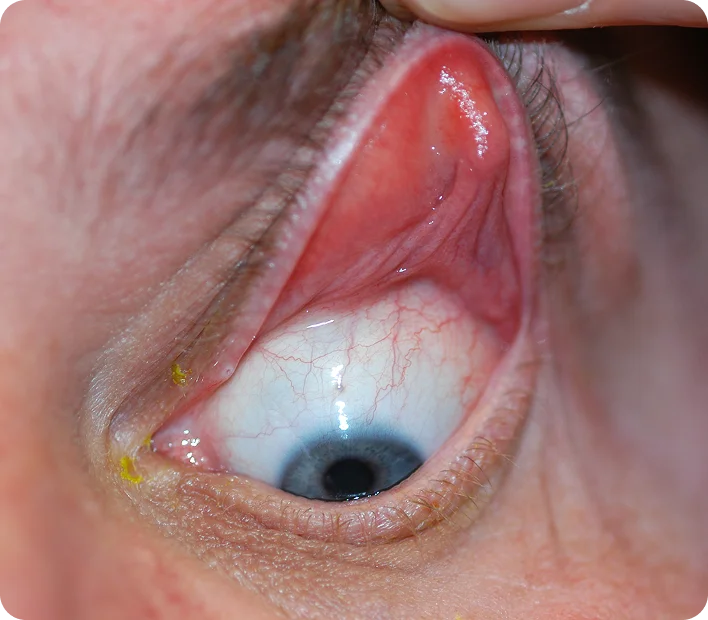
- Chemical Injuries
- Thermal Burns
- Emergency care and long-term rehabilitation after chemical exposure
- Surface damage caused by heat or steam requiring specialised care
Surface Tumours
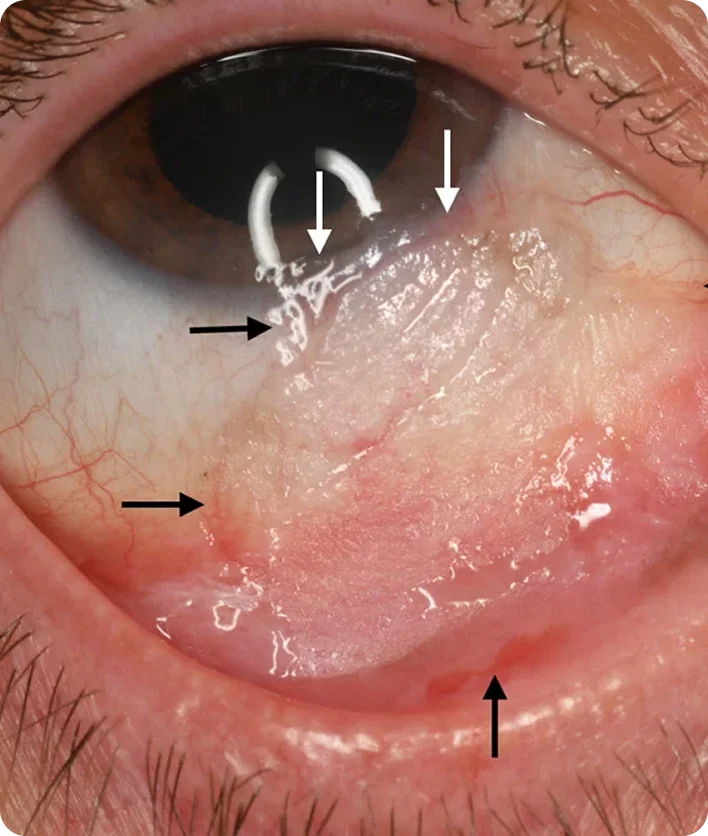
- Ocular Surface Squamous Neoplasia (OSSN)
- Conjunctival Nevus and other pigmented lesions
- Dermoid
- Conjunctival Lymphoma
- Other ocular surface tumors
- Abnormal cell growth on the eye surface requiring accurate diagnosis and treatment
Surface Tumours
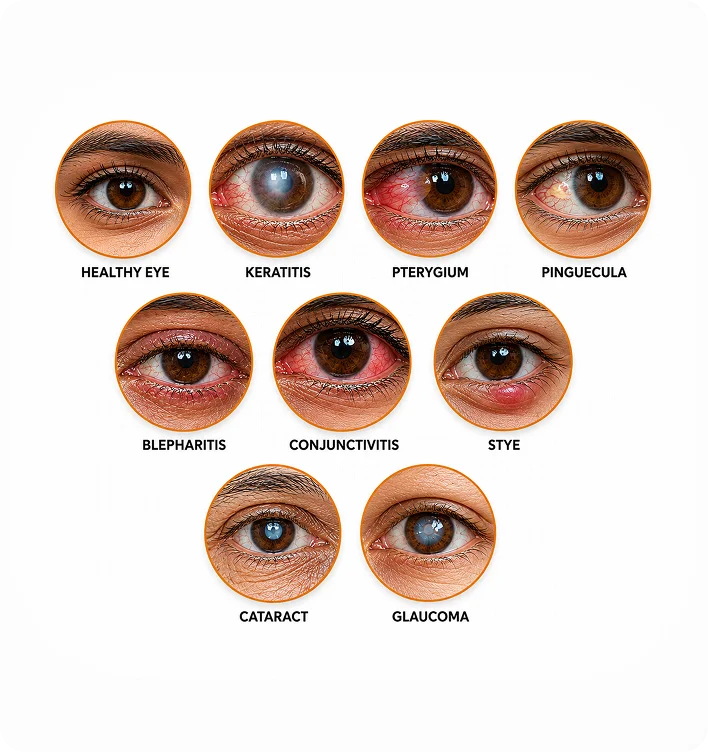
- Neurotrophic Keratopathy
- Conjunctivochalasis
- Recurrent Corneal Erosions
- Post-Surgical Complications
- Reduced corneal sensation leading to surface breakdown
- Loose conjunctival tissue causing irritation and tearing
- Repeated episodes of surface damage causing pain and sensitivity
- Ocular surface issues following previous eye surgery
Get expert evaluation and treatment for dry eyes, irritation, and ocular surface disorders before they affect your vision.
Stories That Sound Like Yours
Posted on Google
 Raghavendra L K
Trustindex verifies that the original source of the review is Google.
The insight and care of Dr.Bhaskar Srinivasan and Dr.Geeta makes the CODE. We come all the way from Bengaluru to CODE Eye Care.Posted on Google Dr. Mohammed ZaidMy mom’s diagnosed with Fuchs endothelial dystrophy and has been consulting Dr. Bhaskar since his Sankara Nethralaya days. She’s very comfortable with his friendly approach. Never once he pushed her for surgery(cataract & cornea transplant), but rather left it to the patient to decide when she wants it done. Dr. Bhaskar has clearly explained what he intends to do on table, the scenarios he may encounter while operating and the possible outcomes post-op. Post-op, she’s doing well & knows what to expect. End of the day, she’s one happy patient. Even the team at CODE is very friendly and approachable. Only grouse is the lack of car parking facility. But it’s not that big a deal.Posted on Google
 sanjay vasoyaVast experienced Excellent Doctors, good staff, clean spacious hospital, quick service, canteen in same building. Quality service that’s for sure. DR BSN and DR GKI both are treating me since last 10 years. When i came to consult DR BSN , my condition was miserable due to serve dry eyes. After his stepwise treatment I came out from worst situation and now doing my computer work very well. Really he changed my life from worst situation to happiness. Thanks lot to both of themPosted on Google
 Sowmya gopalanProfessional , highly skilled, ethical doctor Centre has a Good ambience , polite and competent personnelPosted on Google
 AMARExcellent Eye care centre, Personal care and guidance by the Dr.

Comprehensive Eye Surface Care, From Diagnosis to Advanced Treatment
We treat both common and complex ocular surface diseases, including cases referred after incomplete recovery or uncertain diagnosis.
Dry eye is often the initial concern, but many individuals have a broader ocular surface disorder that requires a more comprehensive evaluation.
At CODE Eye Care, we follow a global, evidence-based approach to treating ocular surface disorders.
Our team is actively involved in international academic collaborations, research, education, and advanced ocular surface rehabilitation.
Our Approach:
- 1. Accurate Diagnosis: We use clinical acumen and advanced tools to pinpoint the exact cause of your symptoms.
- 2. Personalised Treatment: Tailored plans starting with non-invasive treatments like lubricating drops, progressing to advanced therapies if needed.
- 3. Step-by-Step Care: We focus on gradual, effective treatments to ensure long-term relief.
- 4. Ongoing Monitoring: We continuously track your progress and adjust the plan for optimal results.
- We ensure the highest quality care for all ocular surface conditions.
Frequently Asked Questions
Is ocular surface disorder the same as dry eye?
No. Dry eye is one type of ocular surface disorder. You may also have meibomian gland dysfunction, autoimmune disease, limbal stem cell deficiency, or a combination of conditions. Generic eye drops often don’t help because they don’t address the root cause.
How long does treatment take?
Most patients see improvement within 4–12 weeks. Timelines depend on the severity and underlying diagnosis. Chronic conditions may need ongoing management.
Is treatment lifelong or temporary?
It depends on your condition. Some patients achieve full relief with short-term treatment. Others with chronic conditions such as autoimmune-related eye disease or MGD may need long-term management, similar to managing blood pressure or diabetes. We create sustainable plans that fit your routine.
Will I need surgery?
Most patients don’t. We start with non-surgical treatments, medications, lifestyle changes, and in-office procedures. Surgery is considered only when clinically necessary, and we’ll explain exactly why and what to expect.
What will treatment cost?
Costs vary based on diagnosis and severity. Standard medical treatments are covered by insurance. Advanced procedures may have out-of-pocket components. We’ll outline a clear treatment plan with cost estimates at your first visit.
When should I see a specialist instead of my regular eye doctor?
If over-the-counter drops aren’t helping, symptoms are worsening, you have pain or vision changes, or your diagnosis remains unclear, it’s time to see a specialist.
Do you treat patients referred from other doctors?
Yes. We regularly see patients referred by ophthalmologists, optometrists, rheumatologists, and dermatologists. A referral is not required, but is accepted.
We ger referrals from across the country and the world for management of Ocular surface disorders.
Can these conditions cause permanent vision loss?
Yes, if left untreated. Severe ocular surface disorders can damage the cornea and affect long-term vision. Early evaluation matters.
What if I've already tried multiple treatments?
Many of our patients come after trying several treatments elsewhere without lasting relief. We specialise in conditions that haven’t responded to standard care.
Is this just part of ageing?
No. While some changes occur with age, persistent symptoms indicate a treatable condition not an inevitable one.
Who Should Consider a Preventive Ocular Surface Evaluation?
Even without symptoms, certain individuals are at higher risk of developing ocular surface disorders and may benefit from early screening.
This includes:
- Heavy screen users
- Patients with long-term digital exposure
- Contact lens users
- LASIK candidates
- Patients with Sjögren’s Disease
- Patients with Rheumatoid Arthritis
- Individuals with chronic eye strain or fluctuating vision
Early evaluation helps identify tear film instability, gland dysfunction, or surface damage before symptoms become severe.
Who should undergo a dry eye screening even without symptoms?
People with heavy screen exposure, contact lens use, autoimmune disease, or those planning LASIK may benefit from preventive screening, even if symptoms are mild or absent.
Can autoimmune diseases affect the eye surface?
Yes. Conditions like Sjögren’s Disease, Rheumatoid Arthritis, and Lupus can affect tear production and ocular surface health, leading to chronic dryness, inflammation, and surface damage.
What is punctal occlusion, and when is it needed?
Punctal occlusion is a procedure that helps retain natural tears by partially blocking tear drainage channels. It is commonly recommended for moderate-to-severe dry eye cases where lubrication alone is not enough.